Last updated November 22, 2026
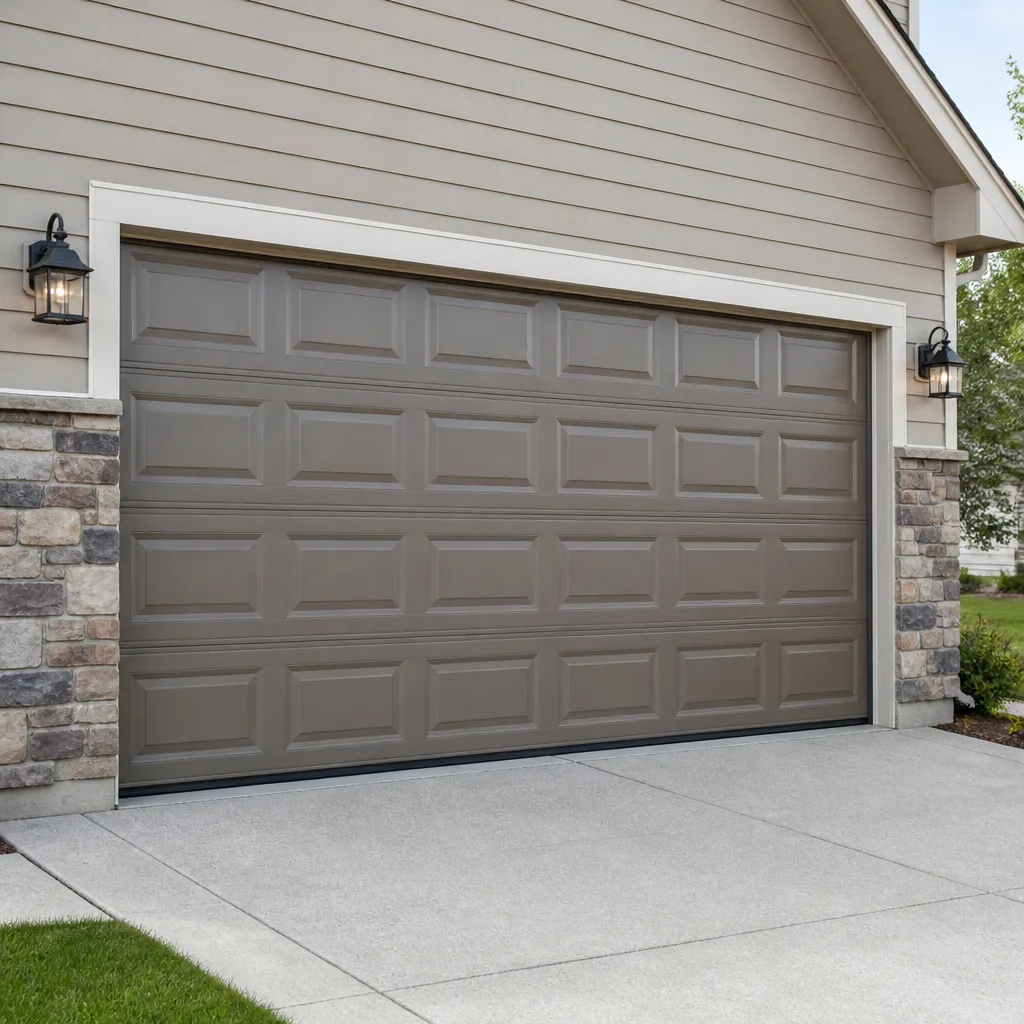 Raised-panel steel
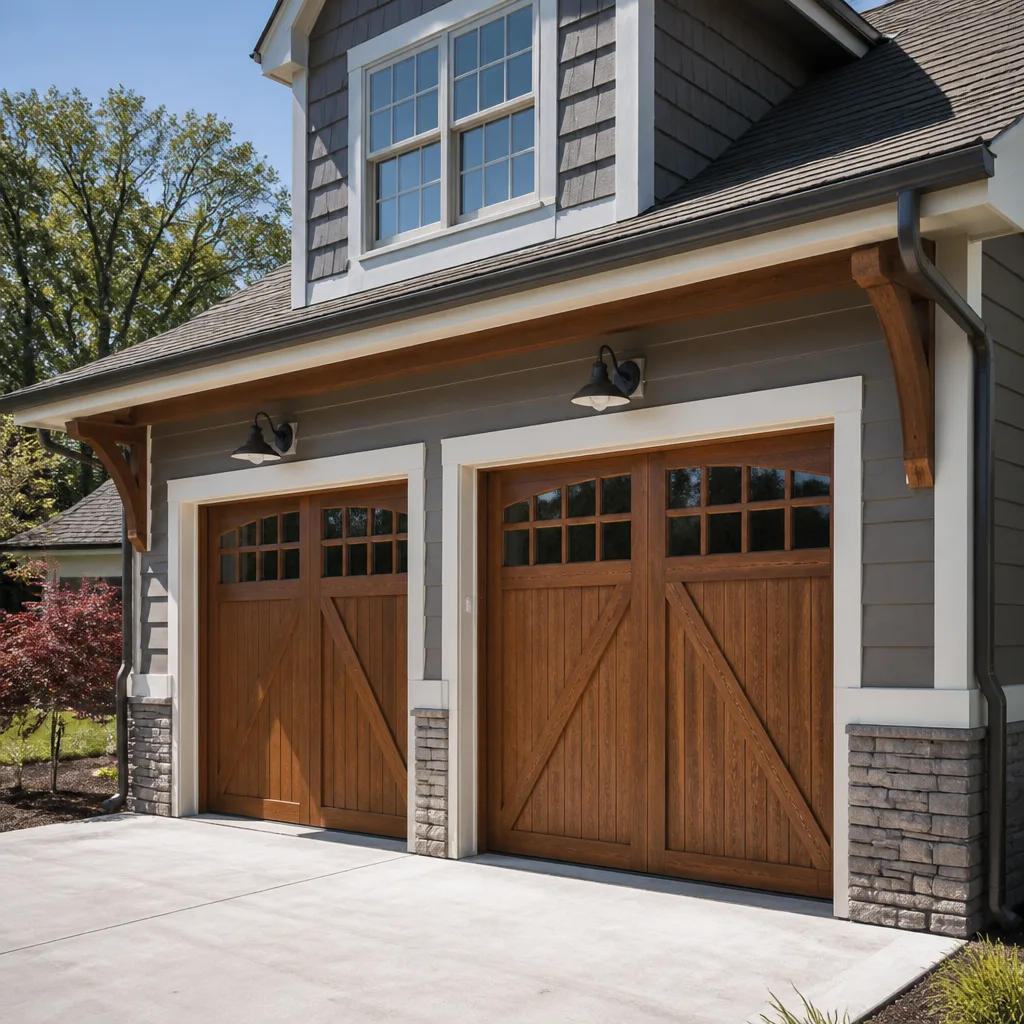 Carriage house
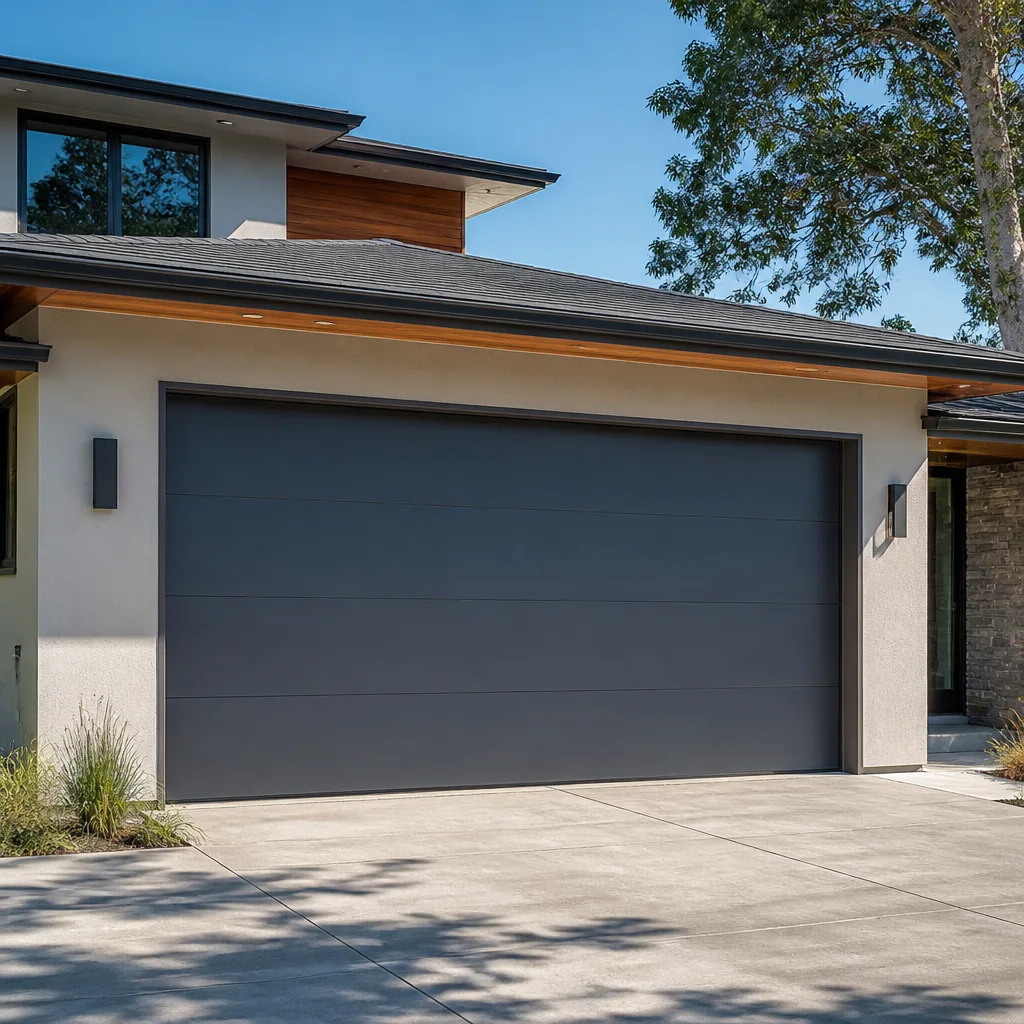 Modern flush
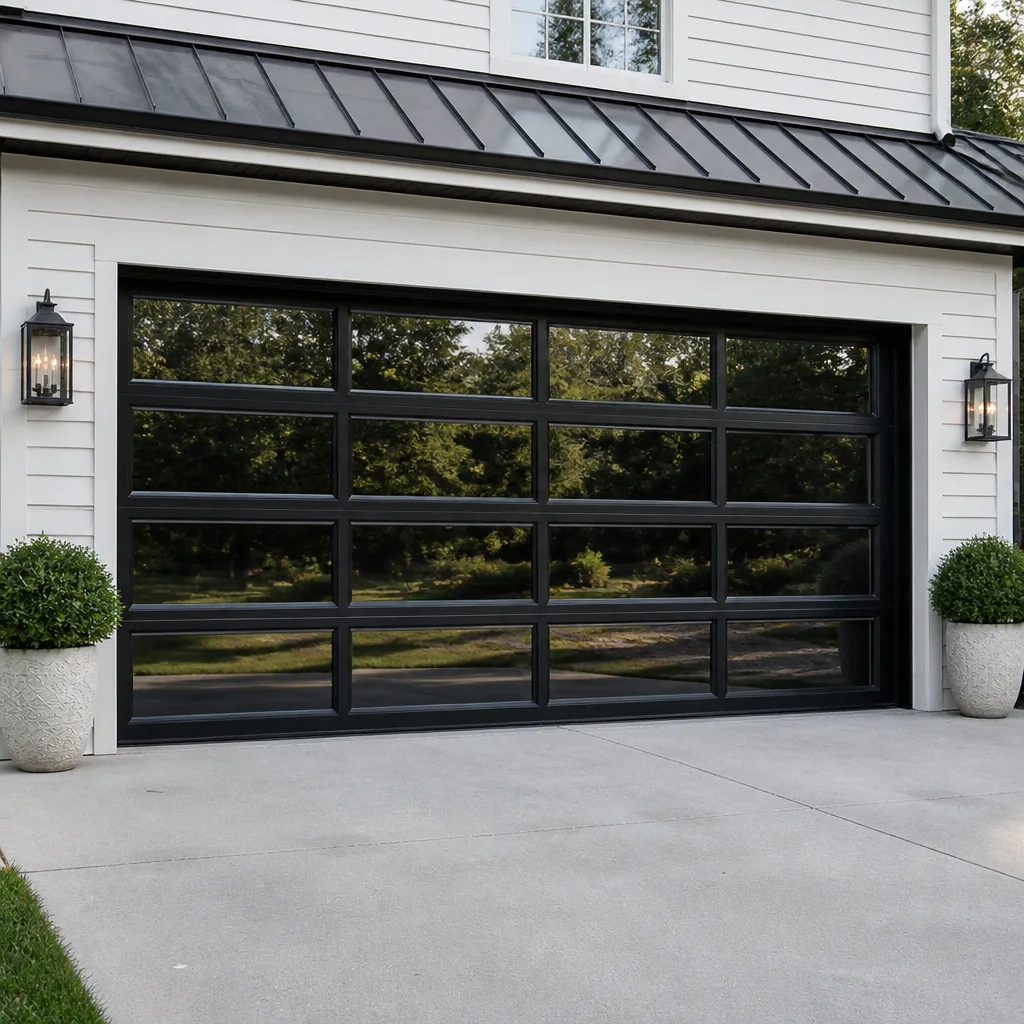 Full-view glass
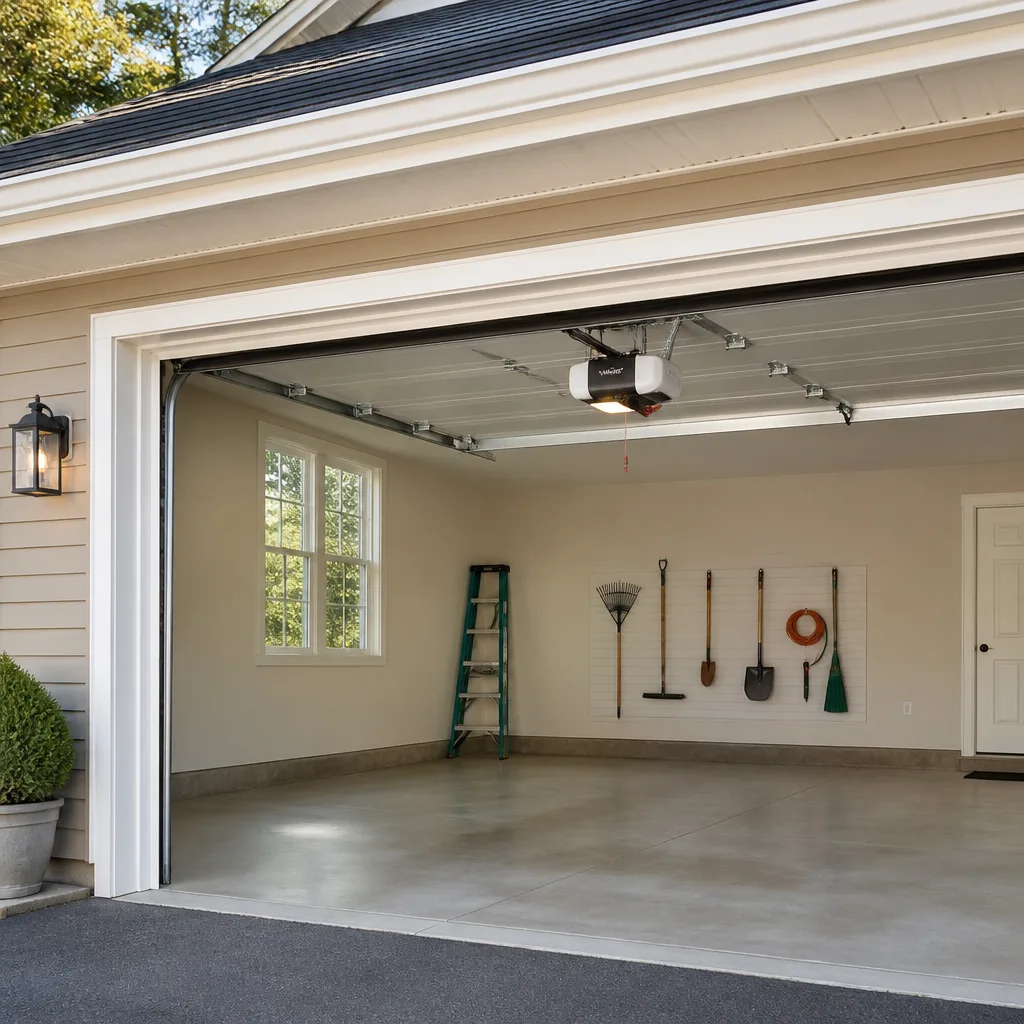 LiftMaster openers
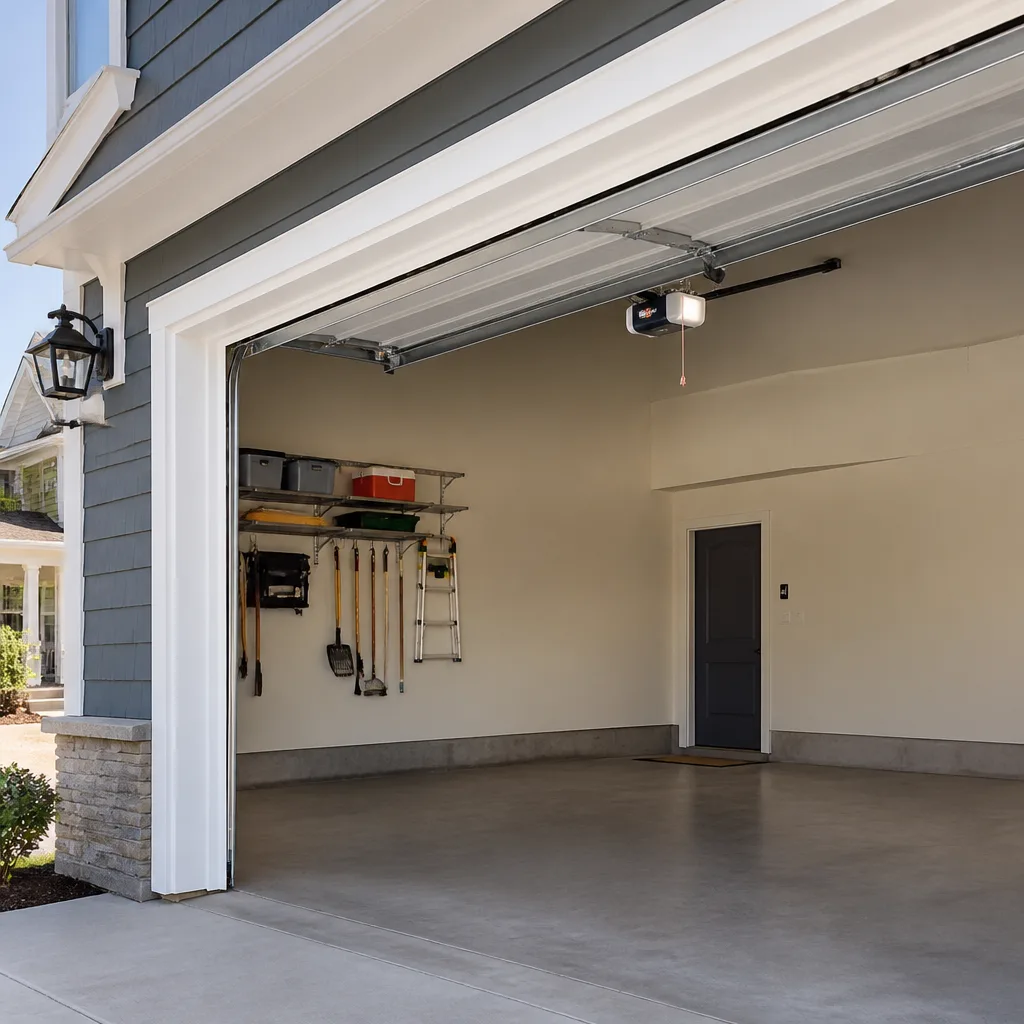 Chamberlain openers
Full 25-point door and opener safety check with every visit - springs, cables, rollers, tracks, and your LiftMaster or Chamberlain opener included
You get a price before we start. It does not change when the pro arrives.
Get your free estimateSeasonal Garage Door Care for Eden Prairie: Year-Round Homeowner’s Guide
Most homeowners treat garage door maintenance like an oil change: twice a year, if they remember. That advice misses the point here. In Eden Prairie, the season doesn’t just change the weather. It changes which component on your door is under the most stress. The bottom seal takes a beating in the January thaw-freeze cycle. The springs do their worst work in April. Your opener’s logic board runs hotter in July than the outdoor thermometer suggests. This guide walks you through a month-by-month care plan for an Eden Prairie door, from the pre-freeze window in October to the spring inspection after the ground softens. You’ll learn what to check, when to check it, and when a problem has moved past homeowner territory.
Quick Answer
Seasonal garage door care in Eden Prairie means shifting your attention with the calendar: bottom seals and opener force settings in October before the ground freezes, spring and cable inspection in April once contraction cycles have stressed the metal, and heat checks on opener electronics in July. A single October adjustment session prevents most of the expensive spring and opener failures this climate produces, and a written seasonal log keeps the whole schedule honest.
Styles & brands we work with
- Raised-panel steel
- Carriage house
- Modern flush
- Full-view glass
- LiftMaster openers
- Chamberlain openers
Table of Contents
- October: The Pre-Freeze Window That Matters Most
- January and February: The Frozen-Shut Door
- April Thaw: Why Springs Break in Spring
- Summer Heat and Your Opener’s Electronics
- September: The Prep Month Before the Cold
- Building a One-Page Seasonal Log
- Common Mistakes to Avoid
- When to Call a Professional
October: The Pre-Freeze Window That Matters Most
October is the most important month for your garage door in Eden Prairie. Not because of the cold itself, but because of what happens in the two weeks before the ground freezes. As temperatures drop, every piece of metal on your door contracts. The spring coils shorten and stiffen. The track steel pulls slightly. Hardware that felt tight all summer starts shifting under loads it wasn’t designed to carry at that temperature. If a bolt was a half-turn loose in August, it’s a full turn loose now, and the door is telling you so every time it cycles.
Here’s the October protocol we recommend, in order:
- Inspect the bottom seal. Run your hand along the rubber flap at the floor. Cracks, flat spots, or gaps at the corners mean cold air and moisture are getting under the door. A brittle seal left in place through freeze-thaw cycles tears further and lets snowmelt pool at the threshold.
- Test the door’s balance. Pull the release cord to disconnect the opener, lift the door to about halfway, and let go. A balanced door stays put. A door that drifts down means spring tension has dropped and the opener is about to work harder than it should.
- Check the opener force settings. Your opener has a force adjustment that tells it how much resistance to push through. Rising cold-weather resistance is exactly what burns out drive gears over the winter. A technician can measure that force against the door’s actual load and set it correctly.
- Lubricate the moving parts. Hinges, rollers, and the torsion bar get a garage-door-specific lubricant, not general household oil, which thickens in the cold.
- Tighten the track bolts. A quick pass with a socket wrench on the bracket bolts catches the contraction loosening before it turns into a misaligned track.
The reason this window matters more than a spring checkup alone is the order of operations. If you adjust spring tension in October before the seal and force settings are right, you’re tuning the door against a moving target. Fix the seal and the settings first. Then the balance test actually tells you something. Homeowners across Eden Prairie who follow this sequence typically go into January with an opener that hasn’t been forced to overwork itself.
January and February: The Frozen-Shut Door
A frozen-shut garage door is the most common winter call we get in Eden Prairie. The floor seal bonds to the concrete, the opener pulls against the resistance, and something gives: usually the drive gear, sometimes the spring, occasionally the door itself. The mistake to avoid is forcing it. Here’s how to handle a frozen door safely, in order:
- Don’t hold the opener button down. If the door doesn’t move after one press, stop. The motor is already straining, and the drive gear strips easily under that load.
- Free the seal from the outside. Pour warm (not boiling) water along the seam where the bottom rubber meets the concrete. This loosens the ice bond without cracking the rubber. Boiling water can warp a cold seal.
- Check for ice in the tracks. Look at the lower foot of each vertical track. Ice buildup there will bind the rollers even after the seal is free.
- Disconnect the opener before manual lifting. Pull the release cord so you’re not fighting the motor while you lift. If the door still won’t move, the ice hasn’t cleared.
- Clear snow from the door’s path. Snow piled against the door panel adds weight and blocks the seal from seating correctly when it closes.
- Watch the opener’s behavior afterward. Grinding, a door that stops partway, or a door that reverses immediately on closing all point to drive gear damage. That’s a repair, not a settings issue.
We work on LiftMaster and Chamberlain openers regularly, and their drive gear behavior in cold weather is well documented: the plastic gears in particular get brittle below freezing and strip faster under resistance. That’s why we recommend adjusting force settings in October rather than waiting for a January failure. A frozen door in Eden Prairie also creates a security gap: a door stuck partly open overnight leaves the house exposed. If the door won’t close and won’t move, that’s the kind of failure that can’t wait until Monday.
April Thaw: Why Springs Break in Spring
Springs break most often in March and April in Eden Prairie, and the reason is metal fatigue from contraction cycles. Through winter, your torsion or extension springs expand and contract twice a day or more as temperatures swing. Steel that flexes repeatedly at cold temperatures develops micro-cracks along the coil. By the time the thaw arrives, the spring is at its weakest just as the door’s weight is shifting again. The break usually happens on the first warm-weather cycle of the season, when the door gets used more.
You can’t see most spring cracks without removing the spring, and that’s a job for a trained technician. What you can do is watch for the early warning signs:
- Uneven door travel. The door rises crooked or pauses on one side. That usually points to spring tension loss.
- A door that slams down. If the door falls faster than it rises, the springs are no longer counterbalancing the weight.
- A gap between the coils. A torsion spring with a visible gap or a stretched section has lost tension.
- Loud popping sounds. A pop during operation often means a spring has snapped.
- The door won’t lift at all. If the opener runs but the door stays put, the spring is the first suspect.
Springs are high-tension hardware. A torsion spring under load can cause serious injury if it’s released without the right tools and training. We handle spring repair in-house rather than subcontracting it, because it’s one of the most dangerous repairs on a garage door and it deserves specialist attention. If you suspect a broken spring, don’t try to lift the door manually or adjust the spring yourself. Call for a diagnosis.
Summer Heat and Your Opener’s Electronics
Heat is the quieter seasonal stress in Eden Prairie. Your opener’s logic board, the circuit board that runs the motor and safety sensors, has a temperature ceiling. A door facing west or southwest gets direct sun for hours in July, and the panel surface can run much hotter than the air temperature suggests. That heat radiates into the opener housing mounted above the door, and electronics that are fine in May start misbehaving in August. In Eden Prairie’s western subdivisions, where newer homes tend to have west-facing garages with less shade, we see more opener board failures in July and August than any other month.
What to watch for:
- Random door reversals. The door reverses mid-travel with nothing in the way. That often points to a sensor or logic board issue, not a mechanical one.
- Remote control range dropping. A remote that used to work from the driveway now only works up close.
- The opener running but the door not moving. Heat can affect the motor’s thermal cutoff, which is a protection feature but shouldn’t trigger regularly.
- Safety sensor misalignment. Sun glare can interfere with the photo-eye sensors, especially in the afternoon.
A LiftMaster or Chamberlain opener that’s misbehaving in the heat usually needs a logic board or sensor diagnosis rather than a full replacement. Don’t assume a dead opener in August means a new one is required. Have it checked before you replace it.
September: The Prep Month Before the Cold
September is the calm before the October scramble, and it’s the best month to deal with anything you’ve been putting off. The door has been through a full summer of heat cycles, the hardware has loosened, and you still have a few weeks before contraction stress begins. Treat this as a maintenance reset:
- Wash and inspect the door panels. Dirt and debris hold moisture, and moisture accelerates rust on painted steel. A clean door also makes cracks and dents easier to spot.
- Check the weatherstripping around the door frame. If the frame seal is cracked or peeling, replace it now rather than after the first freeze.
- Test the safety reverse. Place a piece of wood or a brick in the door’s path and press close. The door should reverse within a couple of inches of contact. If it doesn’t, the safety system needs adjustment before winter.
- Test the photo-eye sensors. Wave an object between the sensors and confirm the door won’t close.
- Lubricate hinges and rollers again. A fall lubrication pass carries through the winter better than one done in June.
- Schedule a professional tune-up if the door has any balance issue. A technician can correct spring tension and force settings in one visit, so you’re entering October with a properly adjusted door.
If you own a Craftsman or Raynor door, the factory specifications for spring tension and opener force are worth having a technician check against, because small misalignments compound over the colder months. A proper garage door repair visit in September can catch the issues that would otherwise become a February emergency.
Building a One-Page Seasonal Log
The most useful tool for seasonal garage door care is a single sheet of paper on your garage wall. It doesn’t need to be elaborate. It needs to be consistent, because the value of the log is in the comparison between months, not any single entry. Here’s a template that works for most Eden Prairie homes:
- Month and date. Just the date you check the door.
- Lubrication. Check the box if you lubricated hinges, rollers, and the torsion bar. Note the product used.
- Balance test result. Does the door hold at halfway, or does it drift? Note the direction.
- Force and safety reverse. Note whether the safety reverse triggered correctly and whether the door felt heavy or hard to move.
- Visual inspection. Any cracks, rust spots, loose bolts, or damaged weatherstripping. A short note is enough.
- Opener behavior. Any noise, hesitation, or remote range change.
- Action taken. Whether you adjusted anything, called a technician, or left it as-is.
Keep the log in a plastic sleeve or binder, because garage humidity ruins paper quickly. After a year or two, the pattern becomes obvious: you’ll see exactly which months your door needs attention and which months it just needs a look. For higher-value entries, note the brand of your opener and door. We diagnose garage door opener repair issues by brand logic, meaning the technician knows how a Genie behaves differently from a LiftMaster, and that history in your log becomes genuinely useful.
Common Mistakes to Avoid
- Waiting until the door fails to check it. The October adjustment window exists precisely because failures are preventable. A door that cycles roughly all winter costs more to fix than one adjusted once in the fall.
- Using WD-40 or household oil on the tracks and hinges. These attract dust and thicken in cold weather. Use a garage-door-specific lubricant that stays workable in freezing temperatures.
- Forcing a frozen door open with the opener. This strips the drive gear and can damage the spring. Free the seal first, then lift the door manually.
- Adjusting a torsion spring yourself. Torsion springs are under hundreds of pounds of tension and can cause serious injury. Leave spring work to a trained technician.
- Ignoring the balance test. A door that drifts down on its own is telling you the springs are losing tension. Catching that early prevents an opener failure later.
- Overlooking the heat effect in summer. A door facing west in an Eden Prairie subdivision heats up far beyond the air temperature. Check the opener’s housing for heat buildup and keep the area above it clear.
- Forgetting the safety reverse test. A safety feature that fails silently is worse than one that’s never been checked. Test it every month, and adjust the sensors if they’re misaligned.
When to Call a Professional
Some seasonal work belongs on your calendar. Some belongs on ours. Call a garage door specialist if the door won’t balance at the halfway point, if you hear popping or grinding during operation, if the opener runs but the door doesn’t move, if a spring looks cracked or has a visible gap, or if the door won’t close at all. A frozen door that won’t release also needs a professional hand, because forcing it can cost more than the repair. We handle garage door spring repair as a core service, not an upsell, and we work on LiftMaster, Chamberlain, Craftsman, Raynor, Genie, Clopay, Amarr, and Wayne Dalton systems with factory familiarity. Eden Prairie Garage Door Repair Co offers free estimates in Eden Prairie. Call (844) 860-2380, and the written estimate sets the price before any work starts.
See the difference
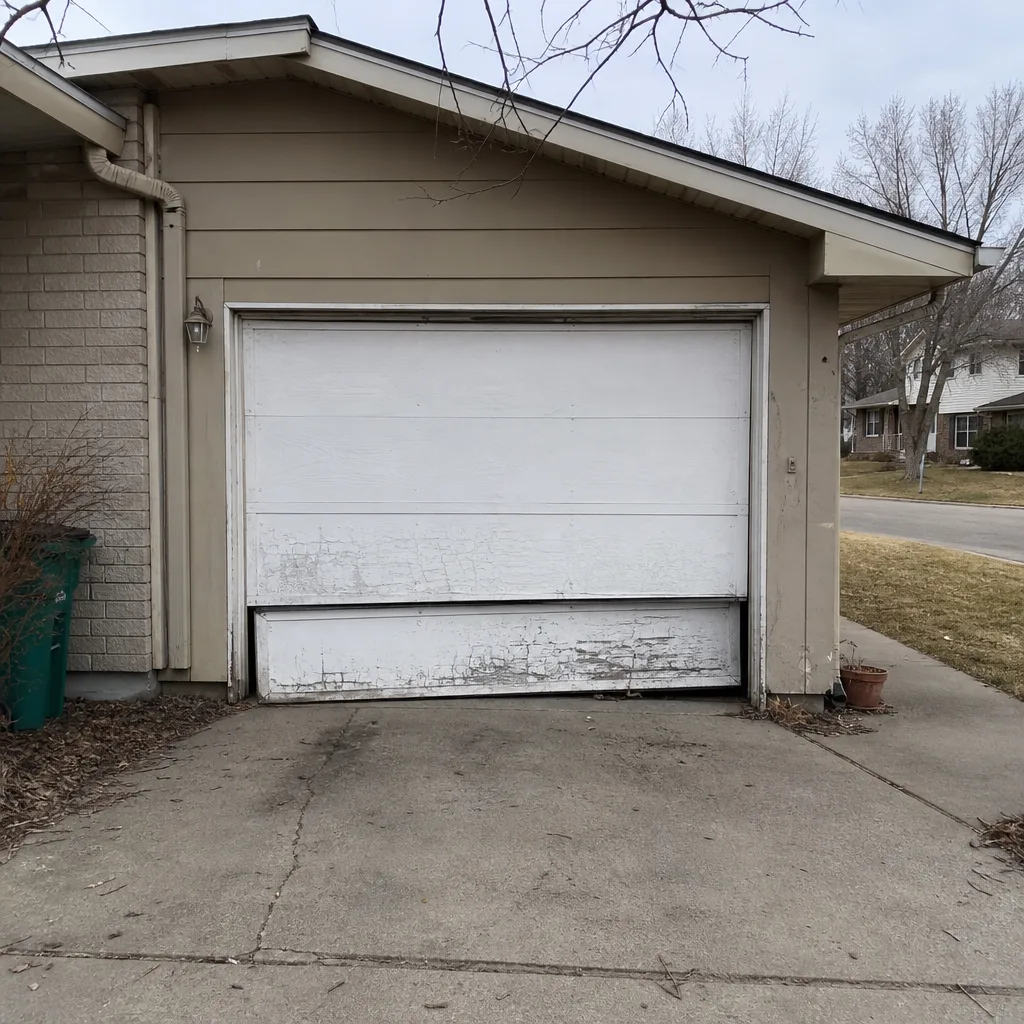 Before
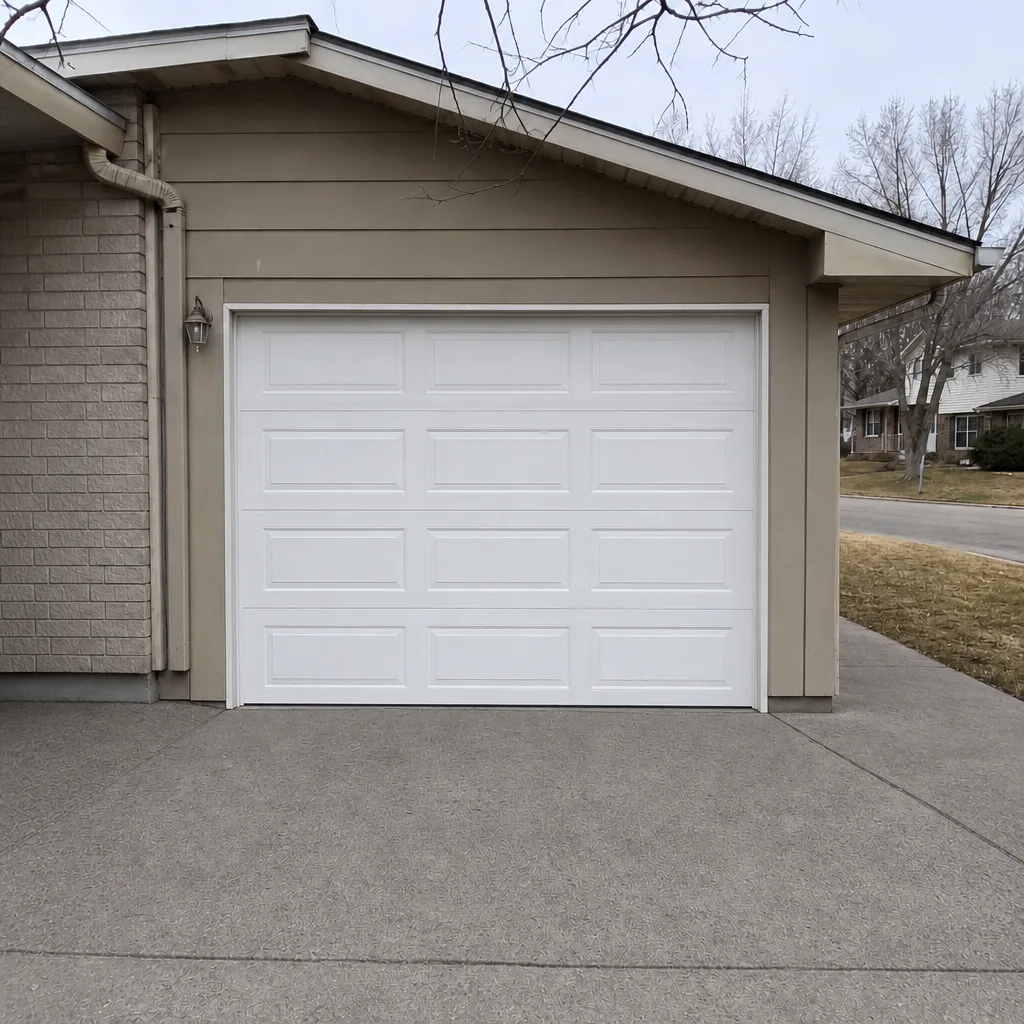 After
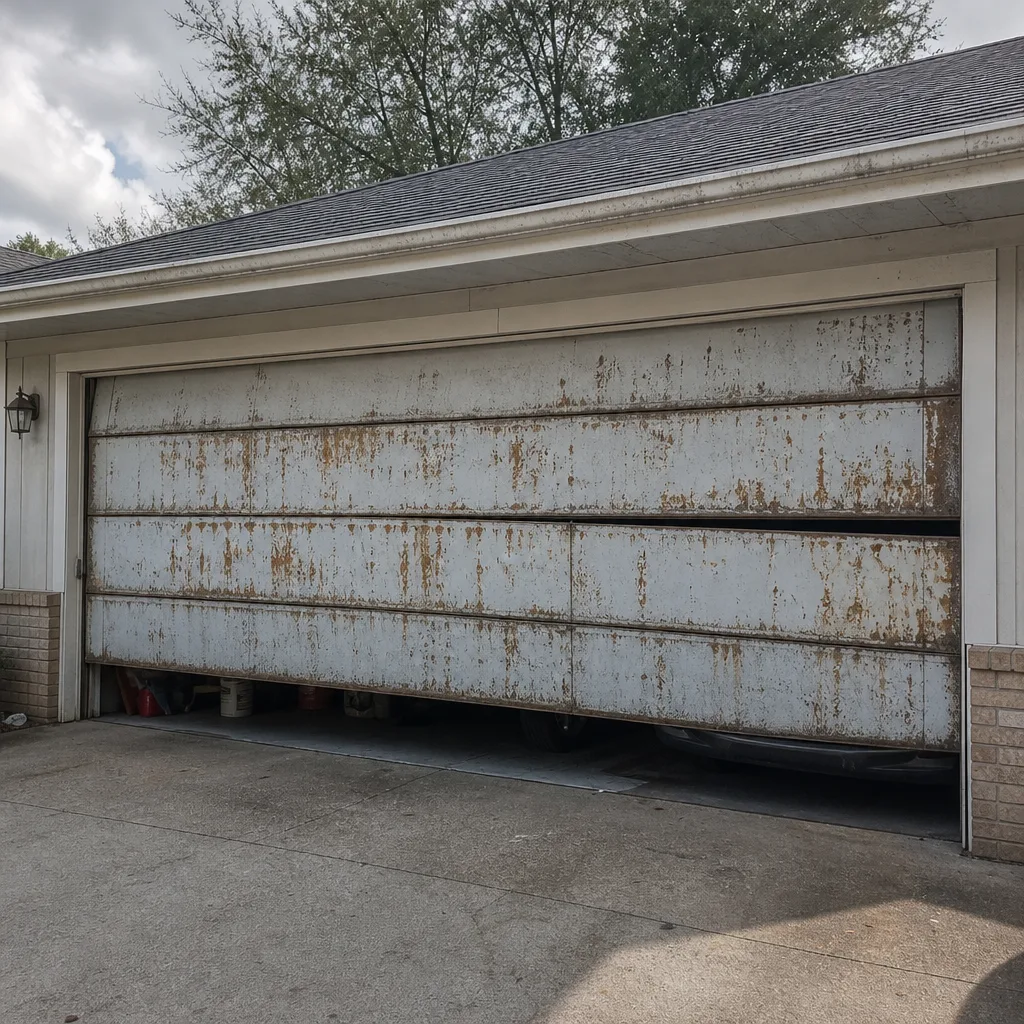 Before
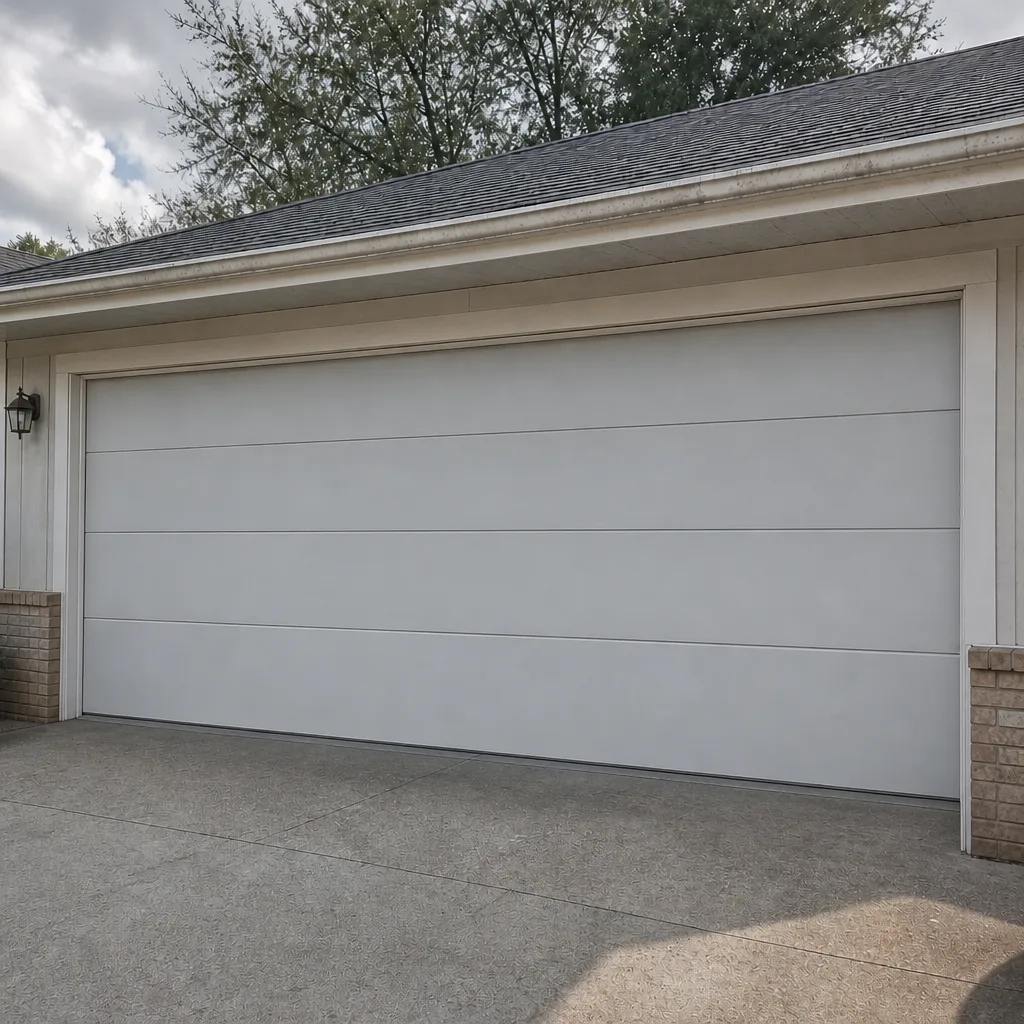 After
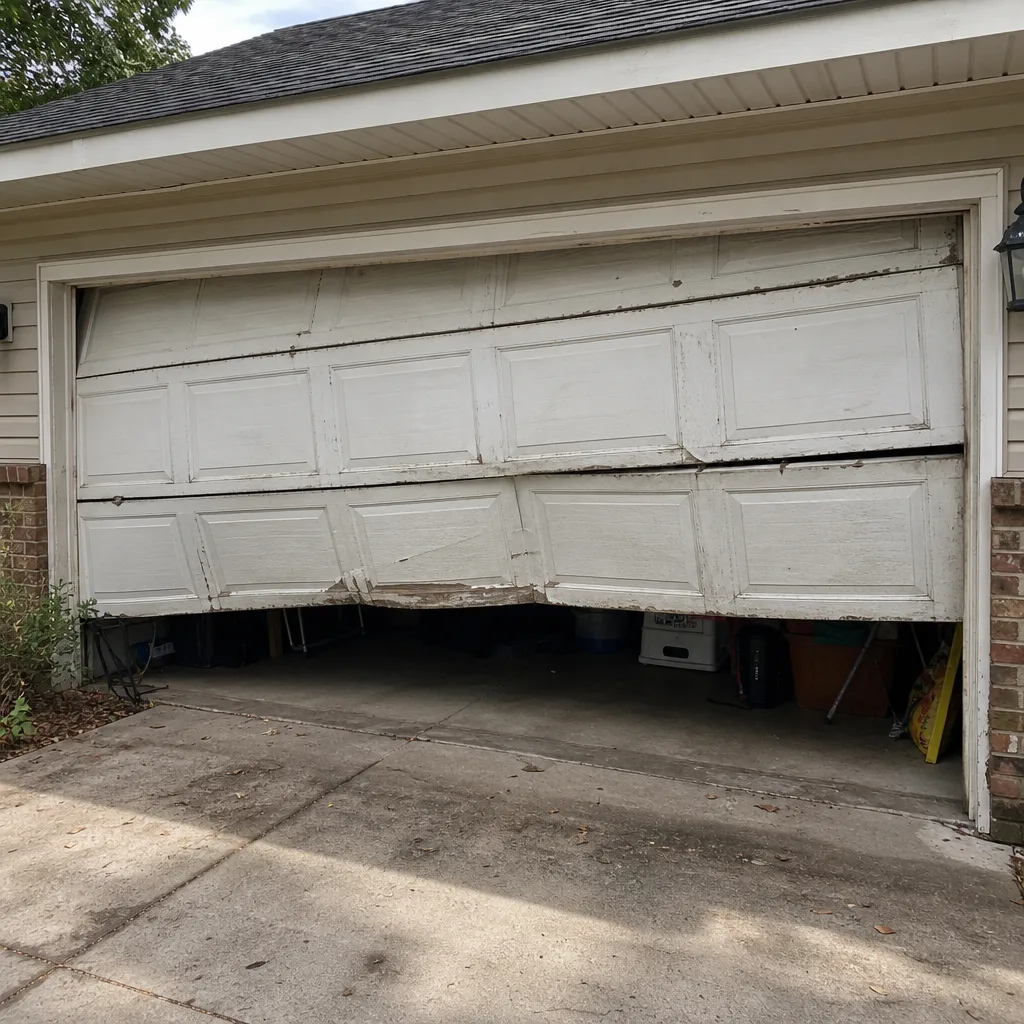 Before
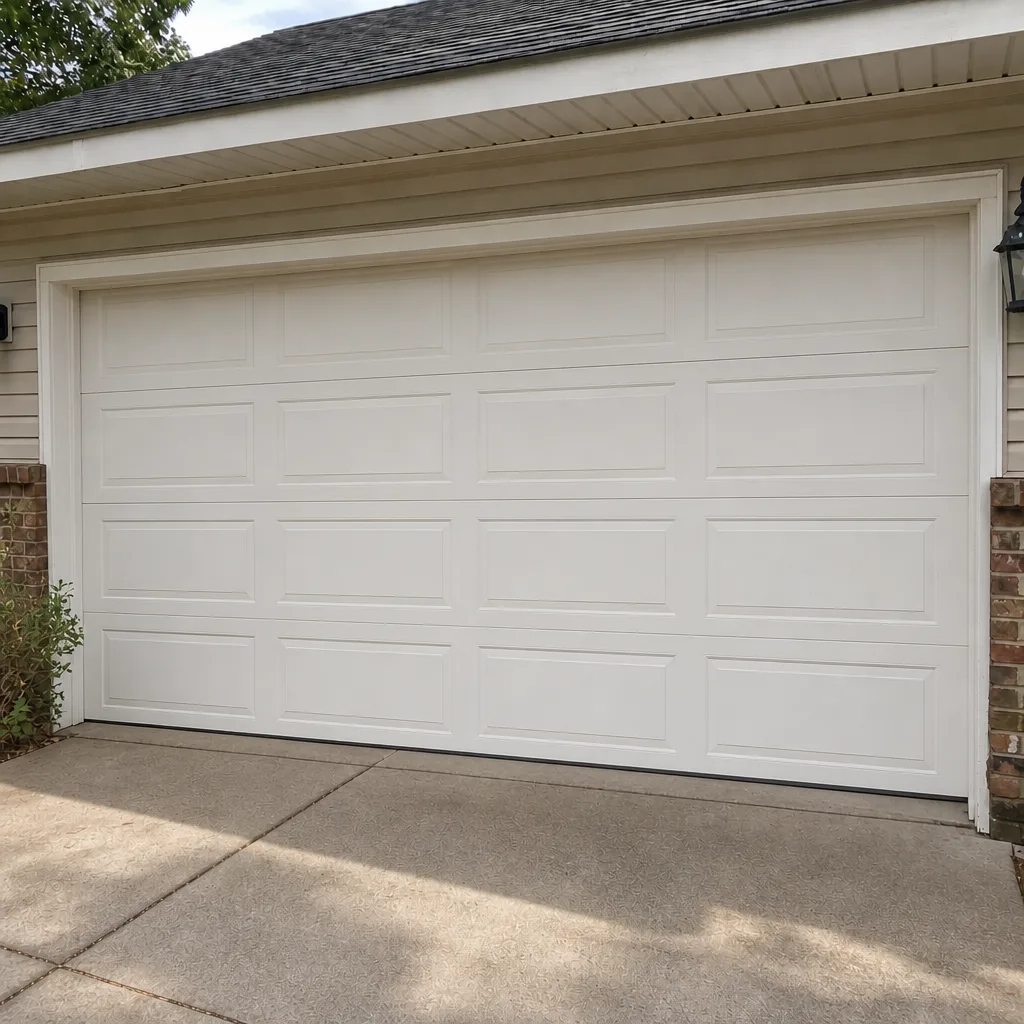 After
Frequently Asked Questions
Once a year is the minimum for most homes, and once in the fall before the ground freezes is the single most valuable visit. A spring checkup in April catches the contraction-cycle damage that builds through winter, so a two-visit annual schedule (fall adjustment and spring inspection) matches Eden Prairie’s climate best. If your door gets heavy use, twice a year is worth it.
You can handle lubrication, the balance test, the safety reverse test, and the visual inspection yourself. Anything involving spring tension, force settings, or track realignment belongs to a technician. Springs are under high tension and a mistake can cause serious injury, so leave that work to someone with the right tools and training. Call (844) 860-2380 for an exact quote on a professional tune-up.
Springs break in spring because of metal fatigue from contraction cycles. Cold-weather expansion and contraction stresses the steel through the winter, and the break usually happens during the first warm-weather cycles when door use rises. It’s not the warmth itself, it’s the accumulated strain from the months before.
Don’t press and hold the opener button. Free the bottom seal from the concrete first using warm water along the seam, check the lower tracks for ice, pull the release cord to disconnect the opener, then lift the door by hand. If it still won’t move, the ice hasn’t cleared. Forcing it with the opener strips the drive gear.
Heat affects the opener’s logic board and safety sensors. A west-facing door in an Eden Prairie subdivision can run hotter than the air temperature suggests, and electronics that are fine in cooler months can misbehave in July and August. Random reversals and dropped remote range are the usual signs. Have the board and sensors checked before replacing the opener.
No. The written estimate is the price, and it’s quoted and agreed before any work starts. Seasonal tune-ups, spring repair, and opener repair all follow the same rule: you get the number first and the work follows. Call (844) 860-2380 for a free estimate.
The Bottom Line
Seasonal care works best when it’s specific. October is for sealing the door before the freeze, adjusting force settings, and tightening what contraction will loosen. Winter is for handling a frozen door without forcing the opener. April is for inspecting springs after months of contraction stress. Summer is for watching the opener’s electronics on a west-facing door. Don’t treat seasonal maintenance as a twice-a-year checkbox. A month-by-month plan, tracked on a one-page log, keeps your Eden Prairie door working through every season, and it tells you when a repair has moved past the homeowner’s toolkit into professional territory. If you want that annual adjustment handled by a specialist, call (844) 860-2380 for a free estimate.
Written by the team at Eden Prairie Garage Door Repair Co.