Last updated November 22, 2026
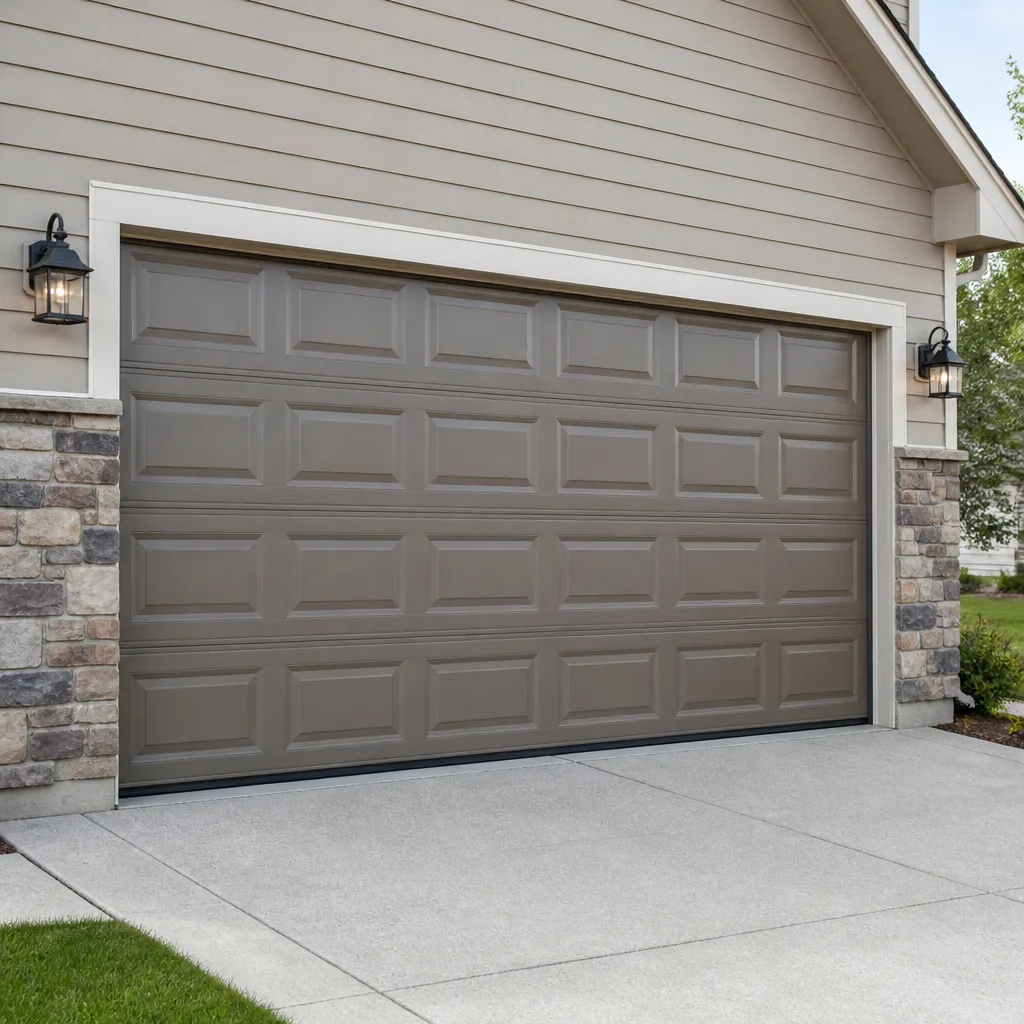 Raised-panel steel
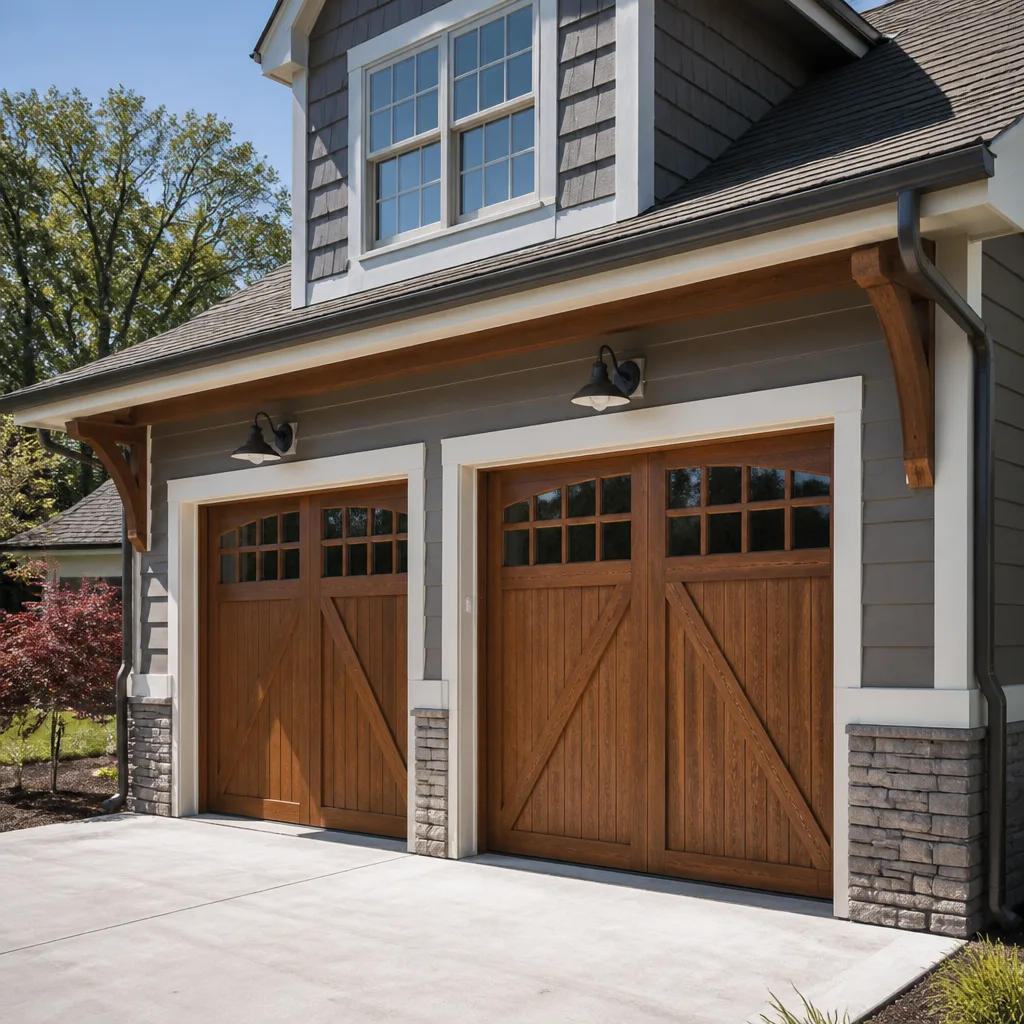 Carriage house
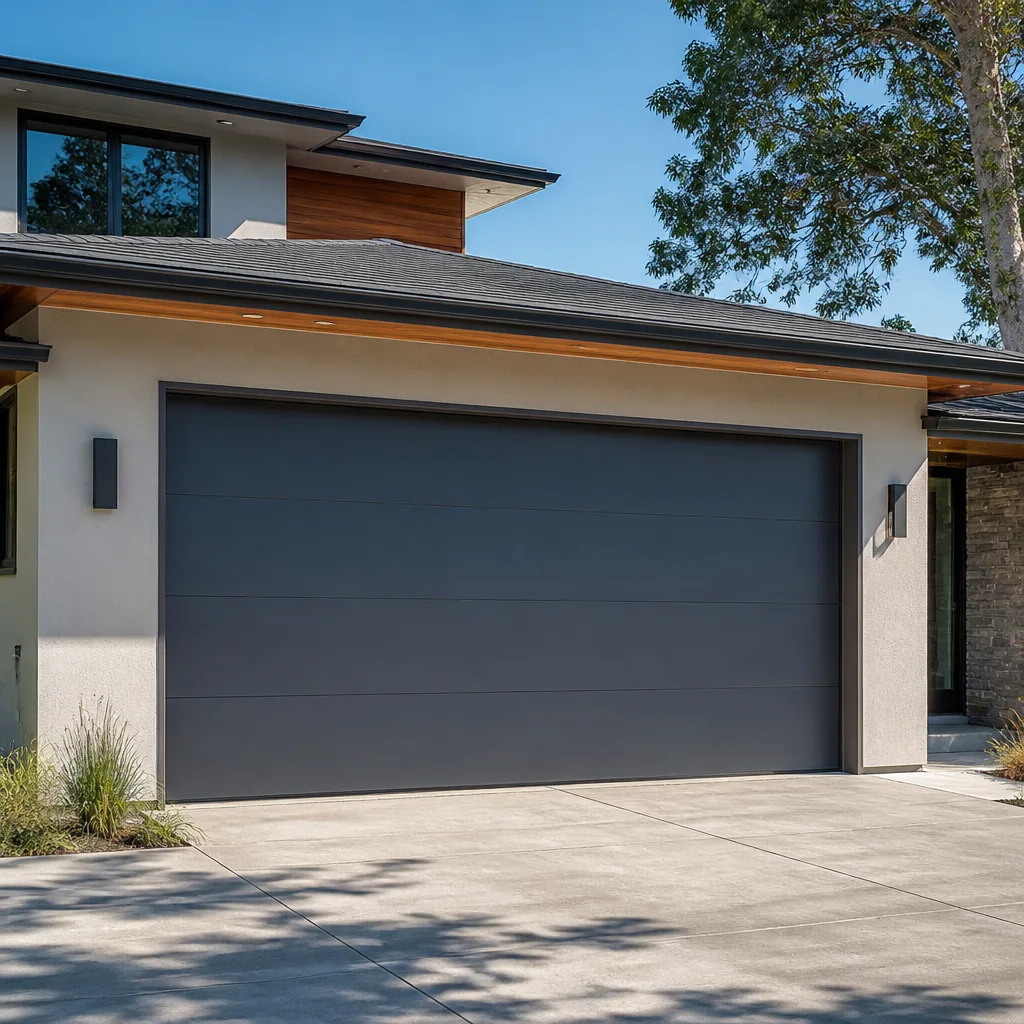 Modern flush
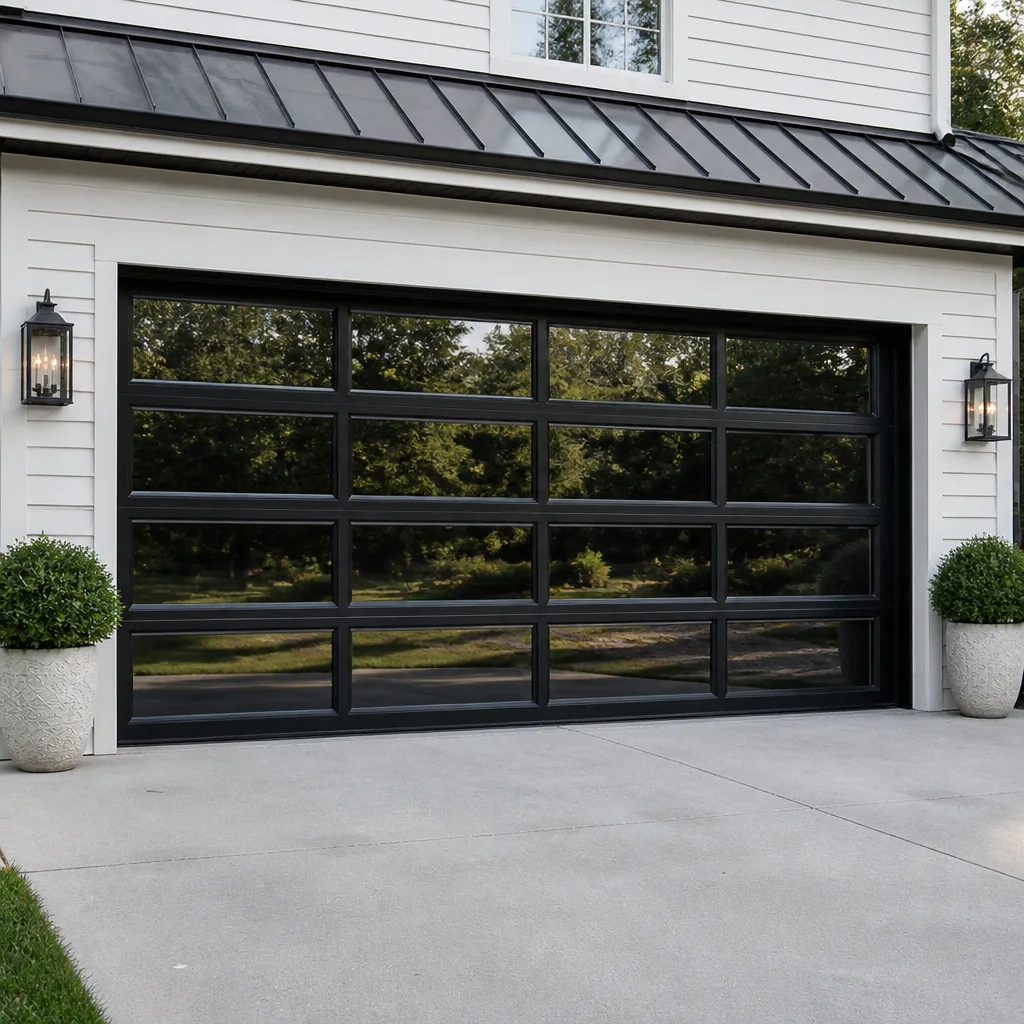 Full-view glass
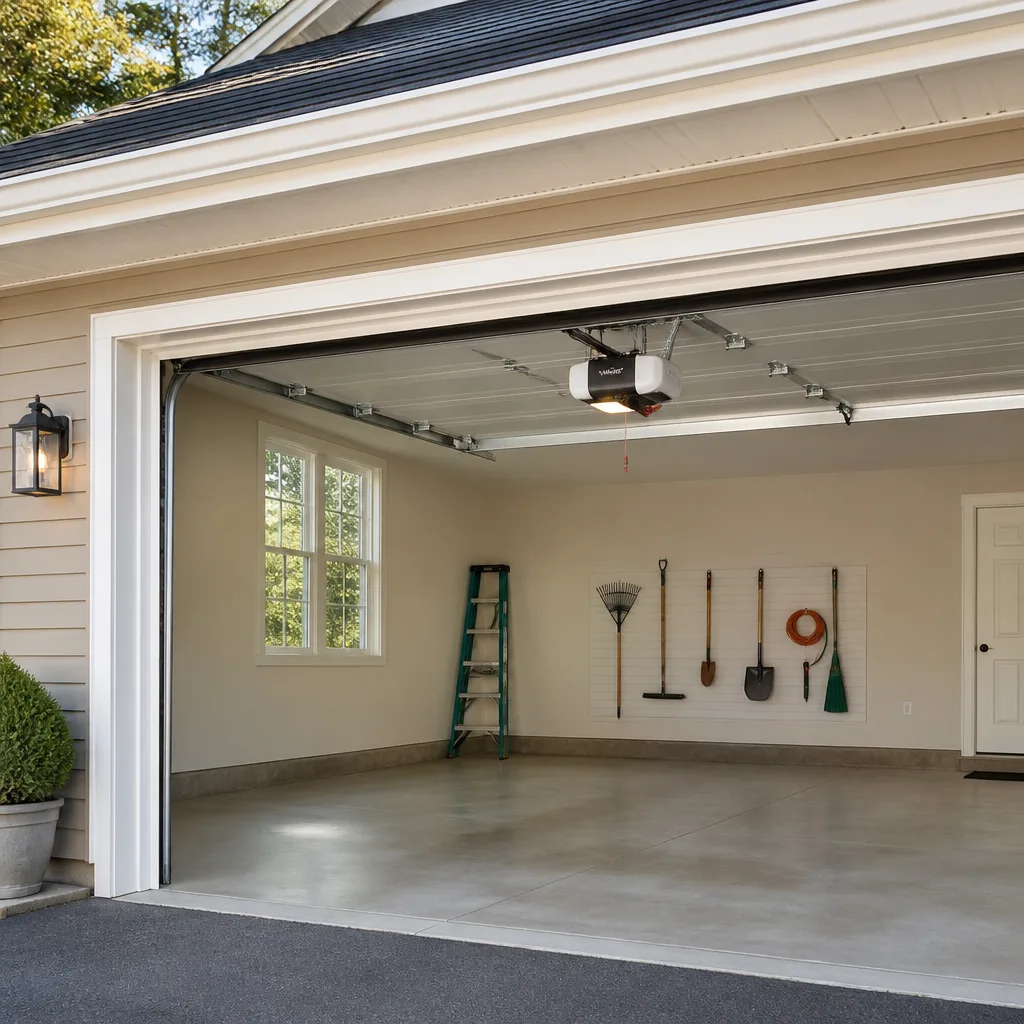 LiftMaster openers
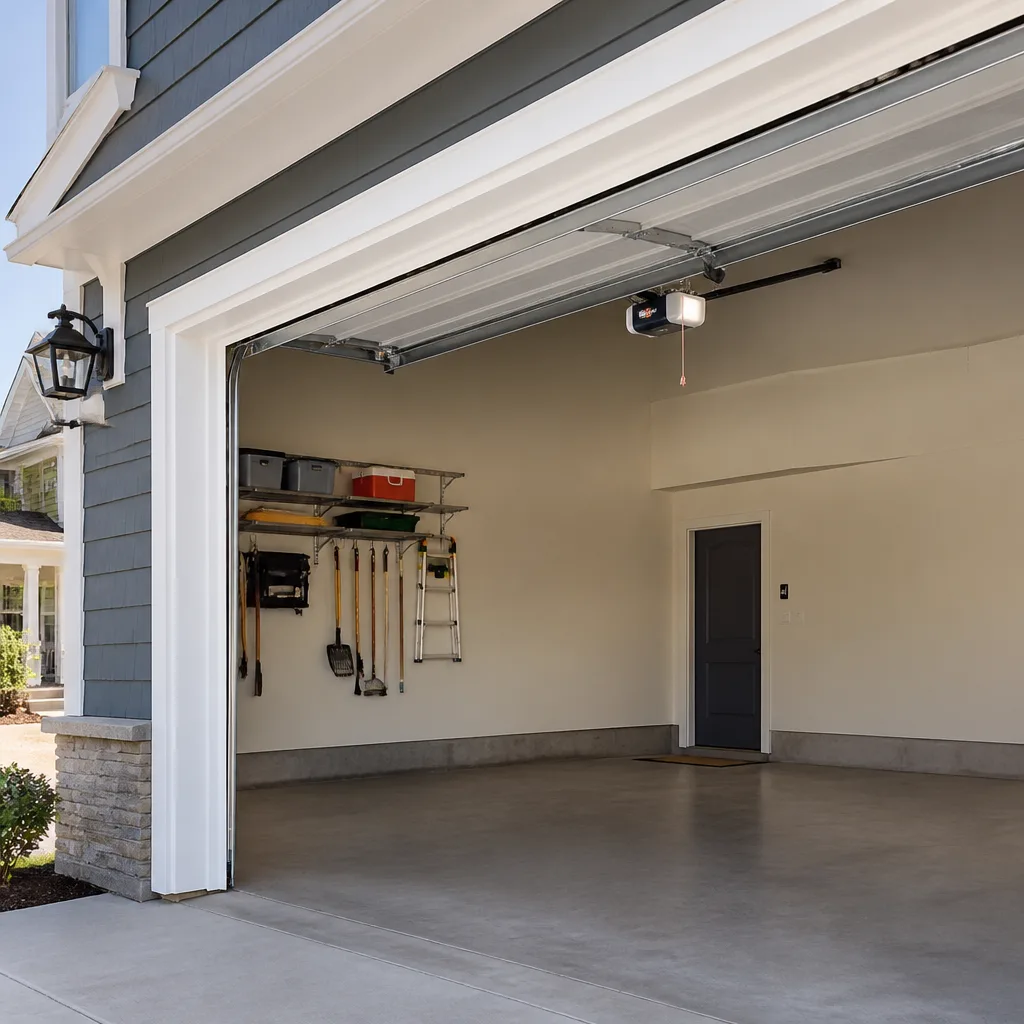 Chamberlain openers
Full 25-point door and opener safety check with every visit - springs, cables, rollers, tracks, and your LiftMaster or Chamberlain opener included
You get a price before we start. It does not change when the pro arrives.
Get your free estimateGarage Door Repair Maintenance Checklist for Eden Prairie Homeowners
The call we get most often as the cold lets go in March isn’t about a broken spring. It’s a bottom seal that froze to the concrete overnight and tore away the first time the door went up. A rubber strip that costs about as much as a lunch is suddenly a service call, and it was entirely preventable with ten minutes of attention in the fall. That pattern repeats all over Eden Prairie: the same few components fail in the same order, year after year, because our winters punish rubber, grease and metal in very predictable ways. Here’s what actually breaks first, how to check it yourself, and what to leave to a specialist.
Quick Answer
In an Eden Prairie attached garage, the components that fail first are, in order: the bottom seal, the rollers and hinges, the photo-eye lenses, the torsion springs, and finally the opener’s drive gear and logic board. A 20-minute inspection each fall and spring, using a silicone or lithium lubricant rated for sub-zero temperatures, prevents most of the expensive failures. Anything involving the torsion springs, cables or the door’s balance should go to a specialist.
Styles & brands we work with
- Raised-panel steel
- Carriage house
- Modern flush
- Full-view glass
- LiftMaster openers
- Chamberlain openers
Table of Contents
- How We Built This Checklist: Failure Frequency, Not Alphabetical Order
- The Ranked Maintenance Checklist for Cold-Climate Garages
- Lubrication That Survives a Minnesota Winter
- The Three-Minute Safety Test: Auto-Reverse and Photo-Eyes
- The Bottom Seal and Frost-Heaved Concrete
- Springs, Cables and the Parts You Shouldn’t Touch
- Brand-Specific Maintenance Notes
- What to Log and Keep on File
- A Two-Season Calendar for Eden Prairie
- Common Mistakes to Avoid
- When to Call a Professional
- Frequently Asked Questions
How We Built This Checklist: Failure Frequency, Not Alphabetical Order
Most garage door maintenance lists you’ll find are copied from a manufacturer’s manual and organized alphabetically, which tells you nothing about what to do first. Ours is ranked by how often we see each component fail in Eden Prairie homes, and that ranking is shaped by the local climate. A garage in Eden Prairie spends roughly four months a year cycling between freezing and thawing, and the slab under the door moves with it. The door itself expands and contracts through a wider temperature range than the manufacturer’s test lab ever simulated.
Three local patterns drive the ranking. First, the freeze-thaw cycle at the door’s threshold, which bonds rubber to concrete and then rips it free. Second, the dry indoor air of a heated attached garage in January, which pulls moisture out of nylon rollers and hardens old grease into a gummy film. Third, the sheer number of daily cycles. When a garage is your main entry point, as it often is in the townhome and single-family subdivisions around Eden Prairie, the door opens and closes far more often than the residential average the manuals assume.
That last point matters more than most homeowners realize. Torsion springs are rated in cycles, not years, and a door that cycles fifteen times a day reaches its rated life in a fraction of the time a door that cycles four times a day does. If your household treats the garage as the front door, everything on this list needs checking more often than a generic guide would tell you.
The result is a checklist that starts with cheap, DIY-friendly items and ends with the parts that genuinely require training. Work down it in order and you’ll spend your money where it actually extends the door’s life.
The Ranked Maintenance Checklist for Cold-Climate Garages
Here is the full list, in the order these failures actually show up in Eden Prairie. Each item includes what to do and how often.
- Bottom seal (check monthly in winter). Look for tears, flattening, or a seal that has bonded to the concrete. Lift the door a few inches and watch whether the rubber peels away cleanly. This is the single most common failure here.
- Rollers and hinges (every 6 months). Wobble each roller in its bracket. Nylon rollers that have gone brittle or steel rollers with flat spots should be replaced. Hinges should move freely but not rattle.
- Photo-eye lenses (every 3 months). Wipe both lenses with a dry cloth and confirm the indicator light on each is steady, not flickering. A dirty lens in a cold garage is the most common reason a door refuses to close.
- Track alignment (every 6 months). Run a finger along the inside edge of each vertical and horizontal track. Any dent, kink or debris should be addressed before it grinds a roller flat.
- Hardware torque check (every 6 months). Check the bolts on the hinges, the bracket at the top of the door and the opener’s mounting hardware. Vibration loosens these over time.
- Torsion springs (visual check monthly). Look for a visible gap in the coil. Never adjust them yourself; just note their condition and listen for the door getting heavier.
- Cables (visual check monthly). Look for fraying, kinks or slack. A cable off its drum is a stop-and-call situation.
- Weatherstripping at the sides and top (every 6 months). Push a hand along the perimeter on a windy day. Any draft means the seal is compressed or torn.
- Opener drive and safety sensors (every 6 months). Listen to the opener run with the door disconnected. Any grinding, clicking or hesitation needs attention.
- Balance test (every 6 months). Pull the release cord, lift the door halfway by hand, and let go. A balanced door stays put. One that drops or rises needs a specialist.
If you’d rather have a trained eye do the walk-through, garage door repair in Eden Prairie starts with a full inspection so nothing on this list gets missed. The inspection is free with any repair estimate.
Lubrication That Survives a Minnesota Winter
The wrong lubricant is worse than no lubricant. White lithium grease outperforms standard WD-40 on torsion springs, hinges and rollers in this climate, and it’s not close. WD-40 is a solvent-based penetrant designed to displace water and free stuck parts. It evaporates within weeks and leaves a thin film that attracts dust. White lithium grease stays put, holds its viscosity below -10°F, and doesn’t gum up when the temperature swings back above freezing.
For the torsion springs and hinges specifically, a silicone spray rated for low temperatures is a solid alternative to white lithium. Avoid anything labeled “all-purpose” without a temperature rating on the can. If the label doesn’t say how it behaves in cold, it wasn’t formulated for a garage in Eden Prairie.
What to lubricate, and how:
- Torsion springs: a light coat along the coil, not a drenching. Excess grease collects grit and accelerates wear.
- Hinges: one drop at each pivot point.
- Rollers: a small amount on the bearing, not on the roller face or the track.
- Track: never lubricate. The track should stay clean and dry so the rollers roll rather than slide.
- Opener rail: follow the manufacturer’s spec. Many chain and belt drives call for a specific grease, and the wrong one causes noise or wear.
Do this twice a year, ideally right before the first hard freeze in late fall and again as things thaw in spring. It’s the cheapest insurance on the whole list.
The Three-Minute Safety Test: Auto-Reverse and Photo-Eyes
Every garage door opener sold in the US is required to meet UL 325, the safety standard that governs automatic reverse and entrapment protection. The numbers matter, and they’re easy to test yourself in under three minutes.
- Test the photo-eye system. With the door open, wave a hand or a broom handle between the two sensors at the bottom of the tracks. The door should reverse or refuse to close. If it closes anyway, stop and call a specialist.
- Test the contact reverse. Place a 2×4 laid flat on the floor under the middle of the door, then close the door with the opener. The door must reverse on contact with the board. UL 325 requires the door to reverse within 2 inches of contacting an obstruction, and the opener’s force limit must detect that obstruction.
- Check the photo-eye alignment. Each sensor has an indicator light. Both should be steady when the door’s path is clear. A flickering light means misalignment, dirt or a loose wire.
Run this test every few months, and immediately after any storm that knocks things around in the garage. A door that fails either test should not be operated until it’s fixed. In an Eden Prairie home with kids or pets, this is the one check that’s genuinely non-negotiable.
If an opener is failing these tests, garage door opener repair can usually trace it to the sensors, the logic board or the travel limits within a single visit. We work on LiftMaster and Genie systems regularly and know where each brand is likely to fail.
The Bottom Seal and Frost-Heaved Concrete
The bottom seal is the weakest link in an Eden Prairie garage, and the reason is the slab under it. Attached garage floors in the subdivisions built before 2000 weren’t always poured with the same frost protection as the house foundation. During the freeze-thaw cycle, that slab moves, and the door’s threshold is where the movement shows up. The seal presses against the concrete, the concrete pushes back, and by spring the rubber has either torn, flattened into a permanent pancake or bonded to the floor overnight.
An inspection protocol that actually works here:
- Open the door a few inches and look down. A good seal hangs below the door’s bottom edge. A worn one has compressed to nearly flush.
- Check for bonding. If the seal sticks to the concrete as the door rises, the door will tear it free within a few cycles.
- Look for gaps at the corners. Frost-heaved slabs rarely stay level, and the corners are where the seal pulls away first.
- Check the retaining channel. The aluminum channel holding the seal should grip it firmly. Loose seals flap and tear.
- Replace before winter, not after. A fresh seal installed in October in Eden Prairie survives better than one installed in January.
Replacing a bottom seal is one of the few items on this list a homeowner can handle with basic tools. But if the concrete itself is heaving enough to leave gaps, the seal alone won’t fix it. At that point, the door may need height adjustment, and that’s a job for a technician.
Springs, Cables and the Parts You Shouldn’t Touch
Torsion springs and cables are the two components on this list that we never recommend a homeowner adjust. The springs are under enough stored tension to cause serious injury if they slip, and the cables are the load-bearing link between the spring and the door. Even a door that looks completely relaxed is holding hundreds of pounds of tension in those springs. When one fails, it releases all at once.
What you can safely do is inspect and report. Look for a visible gap in the coil, which means the spring has broken. Listen for the door getting heavier or the opener working harder, which can indicate a spring losing tension. Look at the cables for fraying or kinks. Then call.
This matters especially in Eden Prairie, where a spring that fails in the middle of a cold snap often leaves the door stuck open and the garage exposed. That’s not just an inconvenience. It’s a reason to call for emergency service rather than wait for the next available appointment. Torsion spring repair is a core part of what we do, performed by trained technicians rather than subcontracted out, and we treat a snapped spring as the safety issue it is. Our garage door spring repair starts with a full assessment of both springs, since a matched pair usually fails within a short window of each other.
Cables should be replaced as a pair alongside the springs when they show wear. A cable that’s near failure is a cable you don’t want to trust through another winter.
Brand-Specific Maintenance Notes
We’re trained on eight major brands: LiftMaster, Chamberlain, Genie, Clopay, Amarr, Wayne Dalton, Craftsman and Raynor. Each has its own quirks, and knowing them saves diagnostic time. A few examples that are relevant to maintenance:
- LiftMaster and Chamberlain share much of their control architecture, including the MyQ connectivity that shows up on many attached-garage installs. The safety sensor lenses on these units can fog up in a cold garage, so check them more often in January and February.
- Genie openers often use a different travel limit adjustment than the other brands. If the door stops short or reverses at the bottom, it’s usually a limit screw rather than a sensor issue.
- Raynor doors turn up in older Eden Prairie neighborhoods, and their hardware is built to a different spec than the more common Clopay and Amarr panels. Parts need to match the door, not just the opener.
- Craftsman units are now older on average, which means drive gears and logic boards are the most common failure points rather than sensors.
If you’re not sure what brand you have, the label is usually on the opener’s motor housing or inside the door’s top panel. Note it before you call, and the diagnosis goes faster.
What to Log and Keep on File
A short maintenance log is the single most underrated tool in garage door ownership. When a technician can see a door’s history, the diagnosis is faster and the recommendation is more accurate. Keep a simple sheet or a note on your phone with these entries:
- Spring installation date. Torsion springs are rated in cycles, not years, so this is the key entry. If you don’t know when the springs were last replaced, note the date you first inspected them.
- Estimated cycle count. A rough daily average of door openings, multiplied by the months since installation. Even a rough number gives a technician a sense of remaining spring life.
- Last hardware torque check. Note the date you last tightened hinge bolts and opener brackets.
- Lubrication dates. Two entries a year is enough.
- Safety test results. Whether the door passed the 2×4 reverse test and photo-eye test, and the date.
- Any part replacements. Rollers, seals, sensors, opener components.
Keep the log near the door or in a home maintenance folder. When you call for service in Eden Prairie, read the spring date and cycle estimate first. It’s often the difference between a straightforward diagnosis and a long back-and-forth.
A Two-Season Calendar for Eden Prairie
Because the local climate gives us two distinct maintenance windows, a two-season schedule makes more sense than a monthly checklist nobody follows. Here’s the version we recommend.
- Late October, before the first hard freeze. Replace the bottom seal if it’s worn. Lubricate springs, hinges and rollers with white lithium grease. Run the full UL 325 safety test. Check weatherstripping for drafts. Note the spring dates in your log.
- March, as the ground thaws. Inspect the bottom seal again for freeze damage. Wipe the photo-eye lenses. Check track alignment for frost-heaved concrete. Run the balance test. Lubricate again if the door feels stiff.
- Mid-summer, optional. A quick visual check of rollers, cables and springs. Note anything unusual for the fall service.
That’s it. Two real sessions a year, ten to twenty minutes each, plus a yearly professional inspection if you want the door’s overall condition assessed. It’s a small amount of work that prevents most of the failures we see in Eden Prairie garages.
Common Mistakes to Avoid
- Using WD-40 on the torsion springs. It evaporates and leaves a thin film that attracts grit. White lithium grease or a cold-rated silicone spray is what you want, especially below -10°F.
- Lubricating the track. A greased track attracts dust that grinds the rollers flat. Tracks should stay clean and dry.
- Ignoring the bottom seal until it tears. A seal that freezes to the concrete in Eden Prairie will tear the next time the door opens. Check it in the fall, not after the damage is done.
- Skipping the annual safety test. The UL 325 auto-reverse test takes three minutes and is the single most important safety check on the door. Skipping it because the door “seems fine” is how sensor failures go unnoticed.
- Adjusting the torsion springs yourself. This is the one mistake on the list that can cause serious injury. Springs and cables are a specialist’s job.
- Not logging the spring installation date. Without it, a technician has no way to estimate remaining spring life. A short note saves diagnostic time and money.
- Calling a generalist for a cold-climate problem. A handyman who doesn’t work on garage doors every day will misdiagnose a frost-related track issue as an opener failure. A specialist diagnoses by failure pattern, not by trial and error.
When to Call a Professional
Most of this checklist is safe to handle yourself. A few situations are not. Call a specialist if you see a visible gap in a torsion spring, if the cables look frayed or slack, if the door won’t balance when you lift it by hand, if the safety test fails even after cleaning the lenses, or if the door has come off its tracks. Those are the situations where the risk of injury or further damage outweighs any DIY savings.
Eden Prairie Garage Door Repair Co offers free estimates in Eden Prairie. Call (844) 860-2380 to schedule a full inspection or to talk through a repair. Our technicians have up to 10 years of experience, and every tool and part on the truck is specific to garage doors.
Frequently Asked Questions
Twice a year, in late fall before the first hard freeze and again in spring as the ground thaws. White lithium grease holds up better than WD-40 below -10°F, so use that on the springs and hinges. Call (844) 860-2380 for a free estimate if the door is noisy or stiff even after lubrication.
Because the concrete slab under an Eden Prairie garage moves with the frost, and the door’s bottom presses against it more than it would in a milder climate. A worn seal compresses and bonds overnight, then tears when the door opens. Replace the seal in the fall before the freeze, not after.
White lithium grease stays in place and holds its viscosity below -10°F, while WD-40 evaporates within weeks and leaves a thin film. For Minnesota torsion springs, white lithium or a cold-rated silicone spray is the better choice. Call (844) 860-2380 for an exact quote on a professional lubrication and inspection.
Lay a 2×4 flat on the floor under the middle of the door and close the door with the opener. UL 325 requires the door to reverse within 2 inches of contacting the board. If it doesn’t, stop operating the door and call a specialist.
No. Torsion springs are under enough stored tension to cause serious injury if they slip, and the cables are load-bearing. Inspect them visually, note any visible gap in the coil, and call a specialist. We handle spring repair in-house with trained technicians.
If the door is getting heavier to lift, if the safety test fails after cleaning the lenses, if cables look frayed, or if the door has come off its tracks. A yearly professional inspection catches the rest. Call (844) 860-2380 for a free estimate.
The Bottom Line
The garage door failures we see most in Eden Prairie aren’t random. They follow a predictable order shaped by the local freeze-thaw cycle and the way attached garages here get used. Check the bottom seal before winter, use white lithium grease instead of WD-40, run the UL 325 safety test twice a year, and leave the springs and cables to a specialist. Keep a short log with the spring installation date and estimated cycle count. That’s the whole checklist, and it prevents most of the repair calls we get. We’re a garage door specialist, not a generalist, and we treat these cold-climate failure patterns as core knowledge.
If something on this list has you reaching for the phone, that’s the right call. Reach Eden Prairie Garage Door Repair Co at (844) 860-2380 for a free estimate on any repair, opener service, spring replacement or new door installation in Eden Prairie. We work on LiftMaster, Chamberlain, Genie, Clopay, Amarr, Wayne Dalton, Craftsman and Raynor systems, so your door gets diagnosed by someone who works on nothing else.
Written by the team at Eden Prairie Garage Door Repair Co.
See the difference
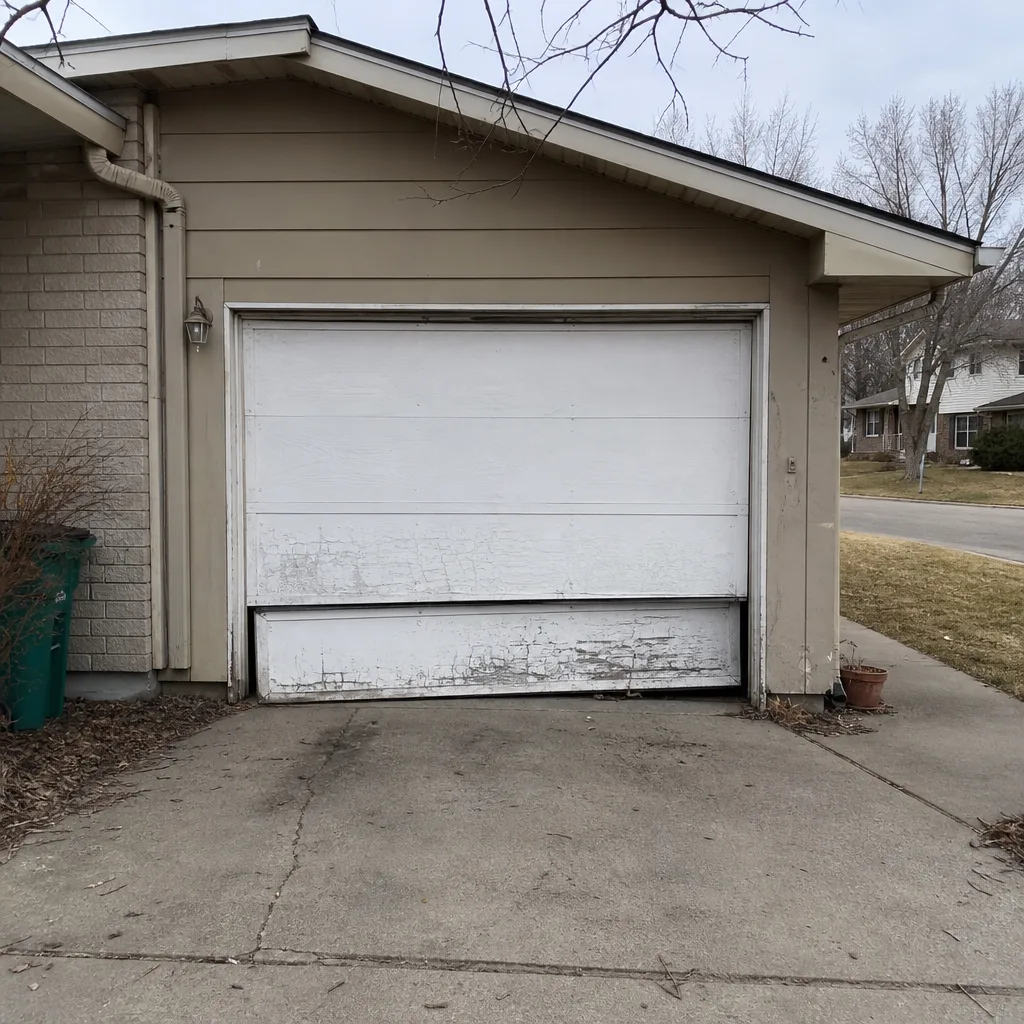 Before
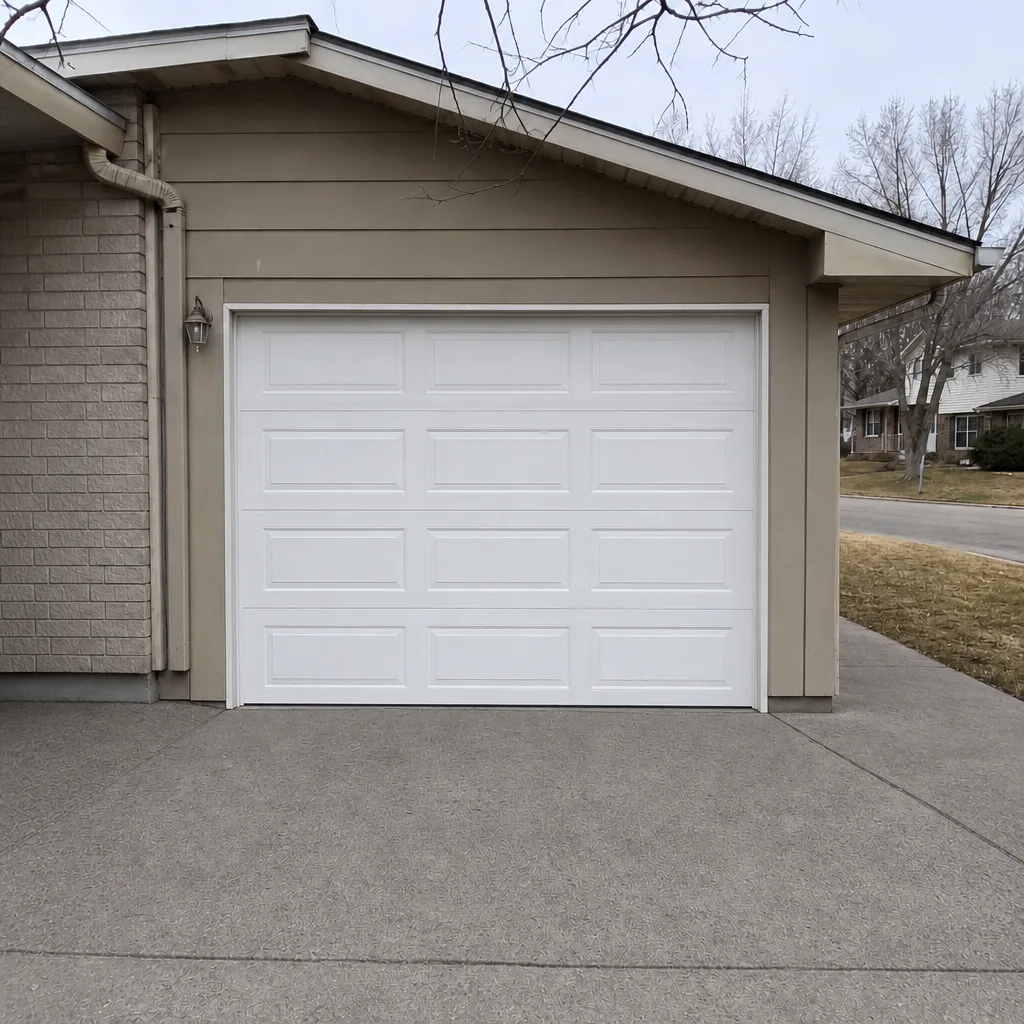 After
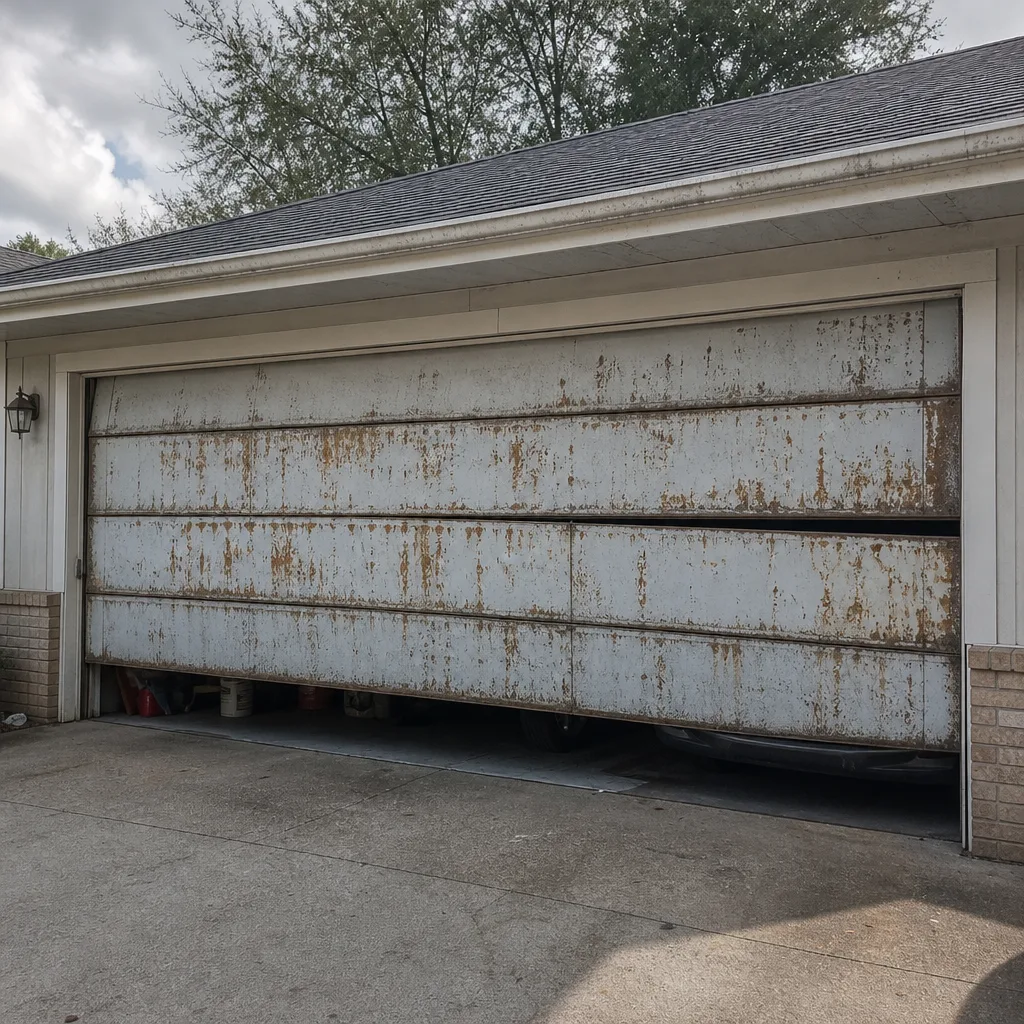 Before
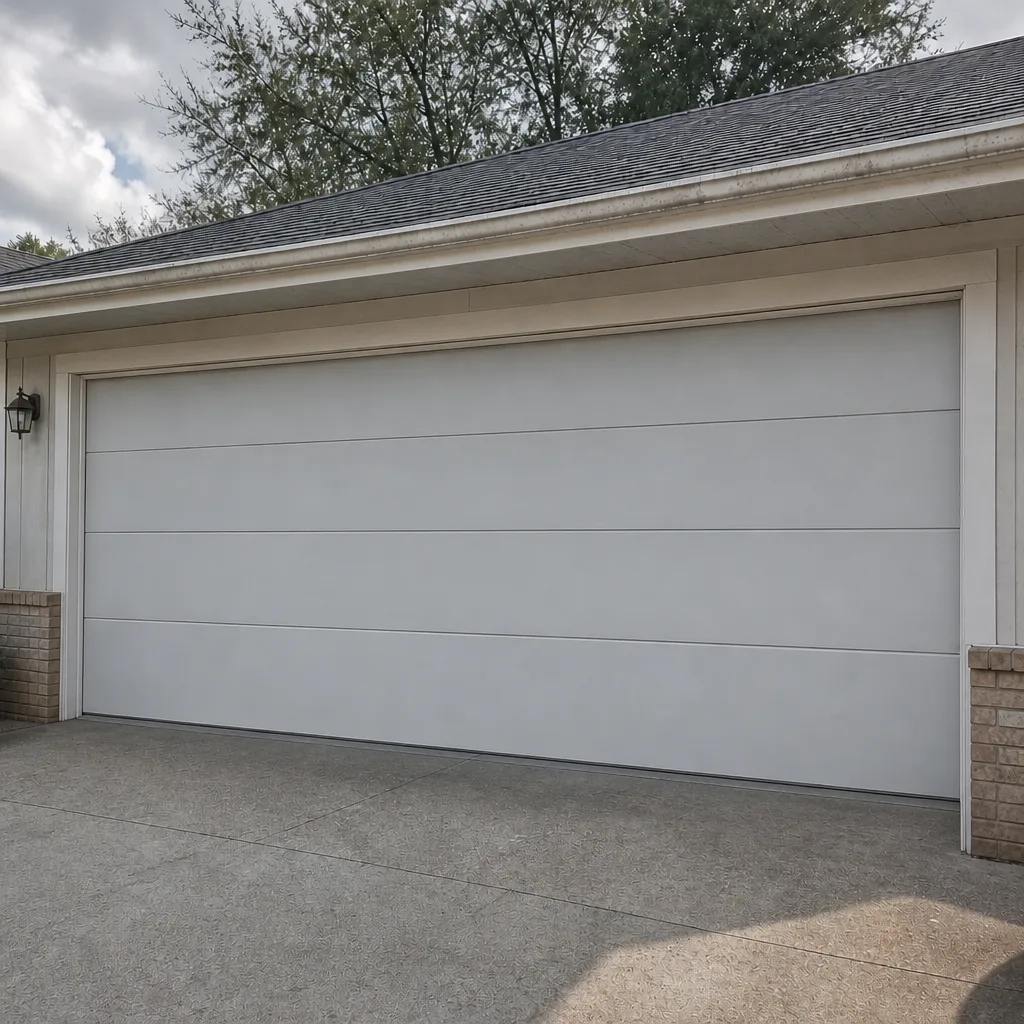 After
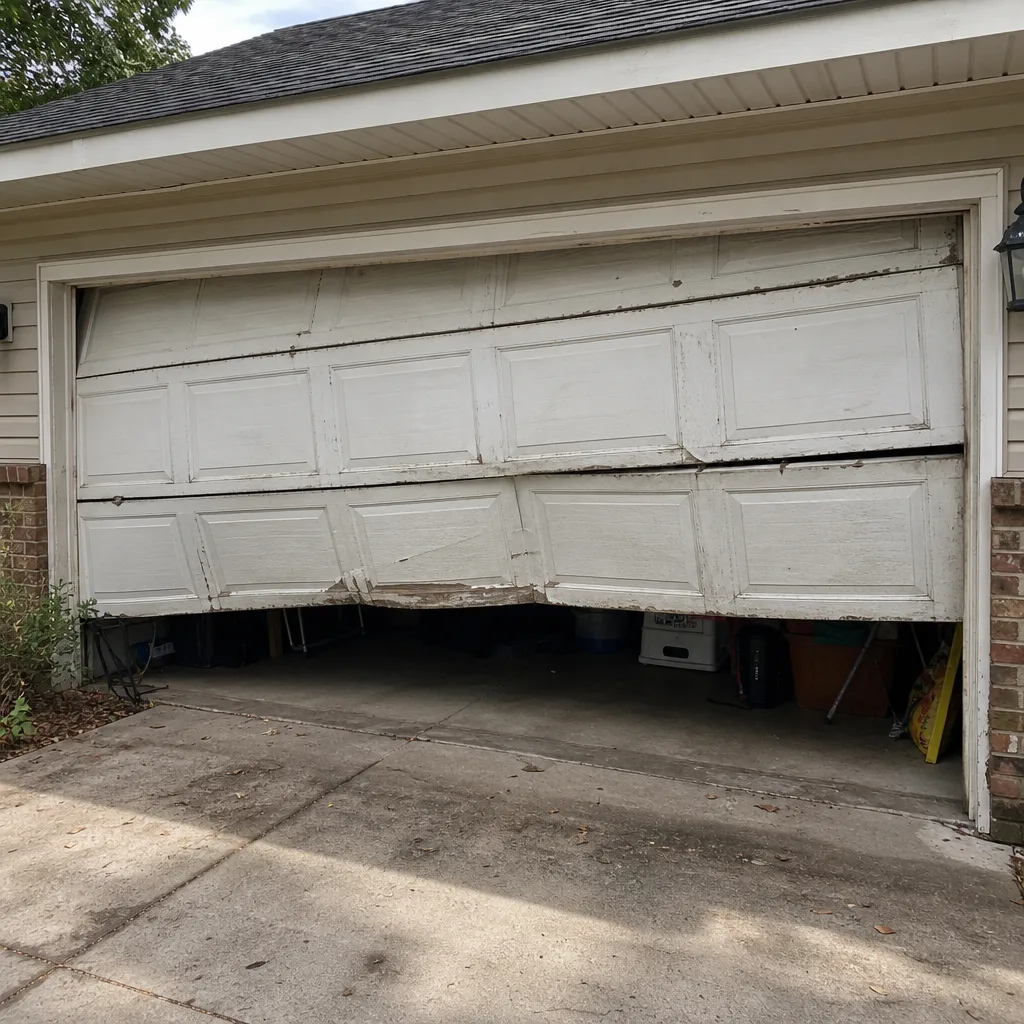 Before
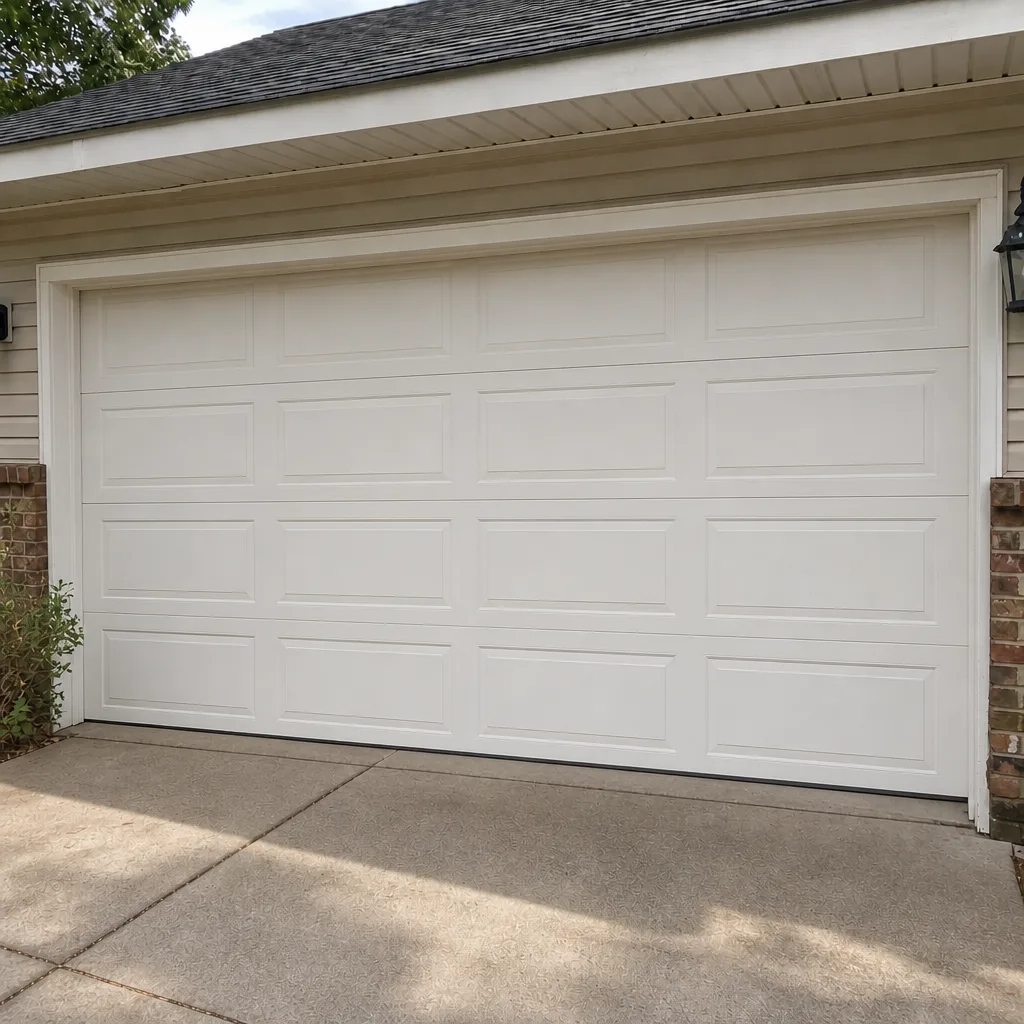 After